THE WATT HOUSE
PROTOTYPE FOR AN ECOHOUSE- PHASE II

DESIGN CONCERNS
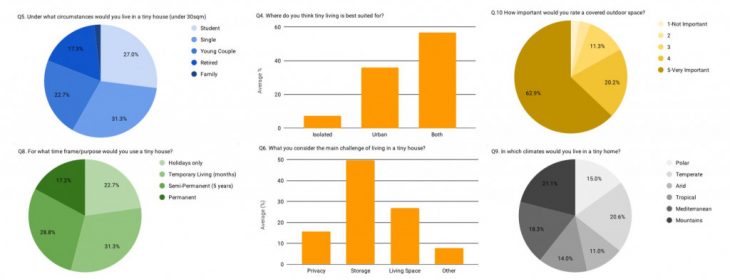
The majority of respondents believe: Tiny living can suit both urban and isolated areas. Most likely be used for temporary to semi-permanent living by singles or couples across all ages. Work in any climate, but see an outdoor covered space as necessary in the design.
Small living systems for big solutions, the Watt Houses act as energy providers promoting ecological living.
DENSIFICATION filling residual urban space &
DISTRIBUTION offering off-grid living
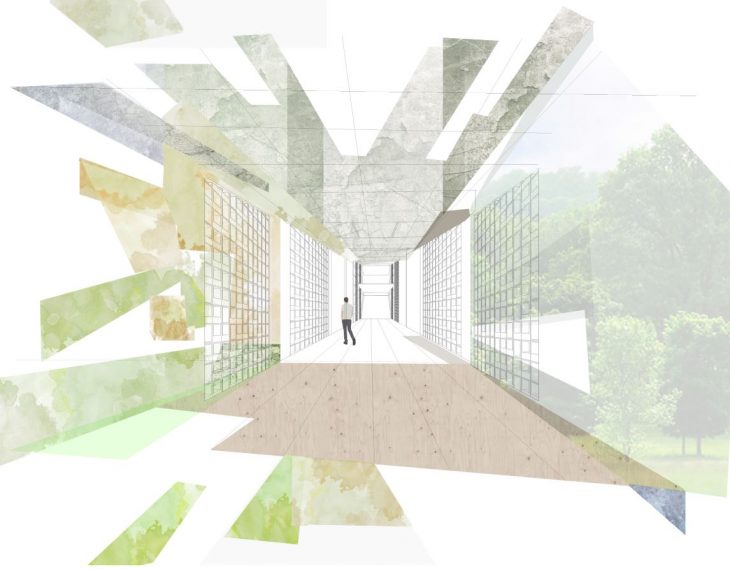
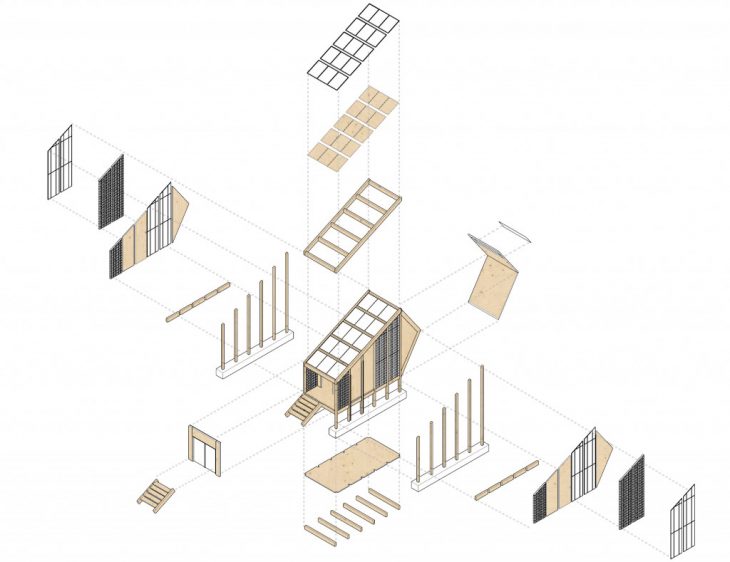
STRUCTURAL SYSTEM adaptation in time
FRAME


FABRICATION
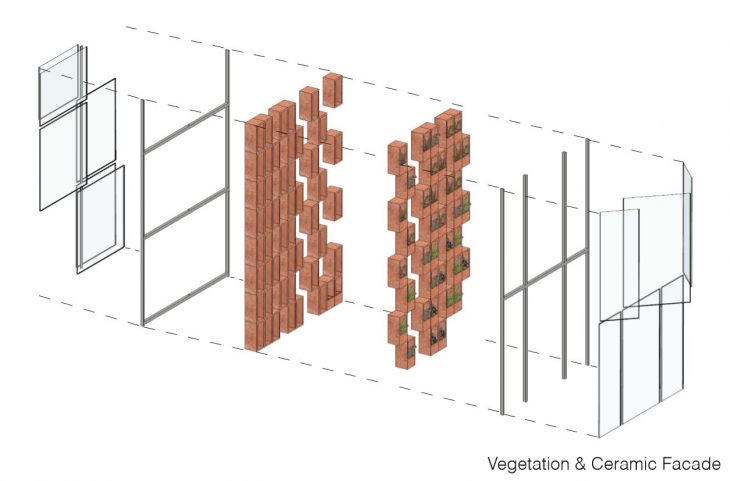
MATERIALS SYSTEM adaptation in place
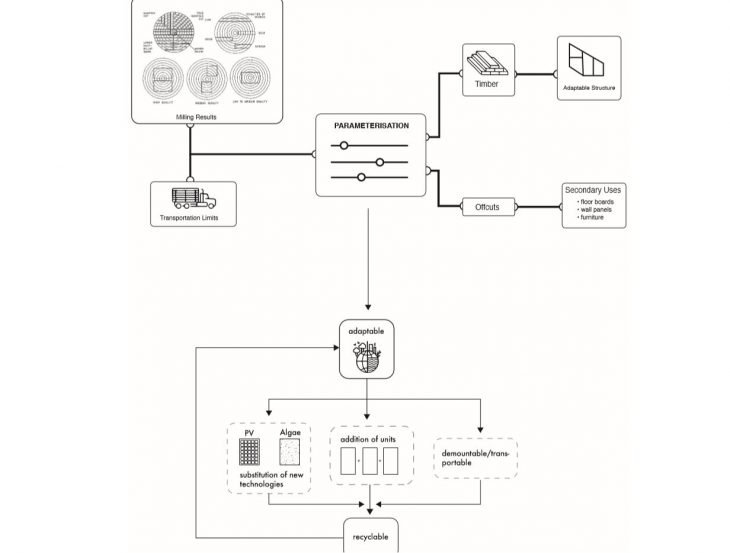
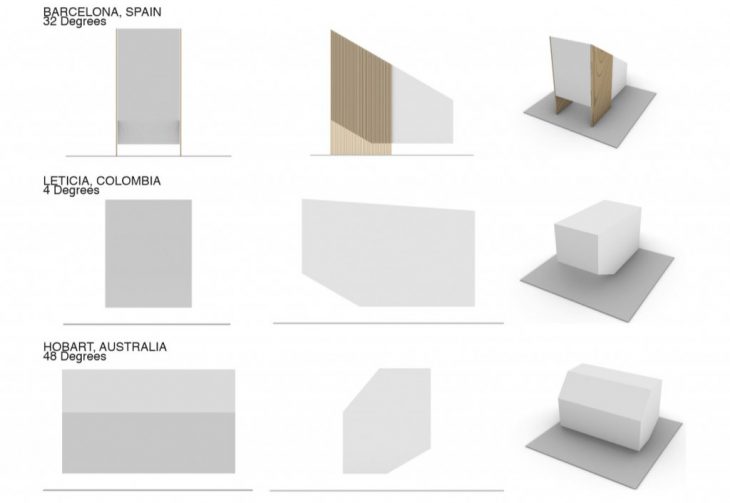
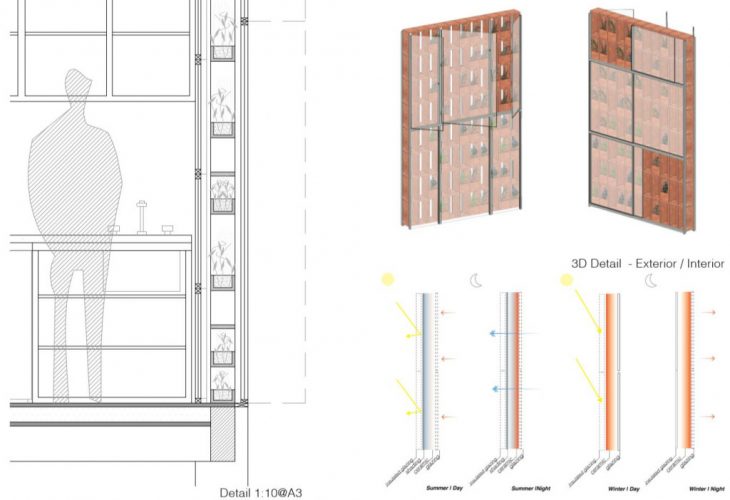
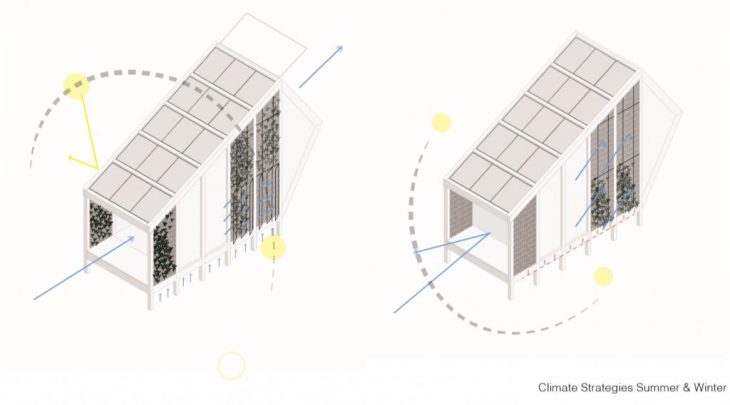
MICROSCALE AM-PM / Summer-Winter
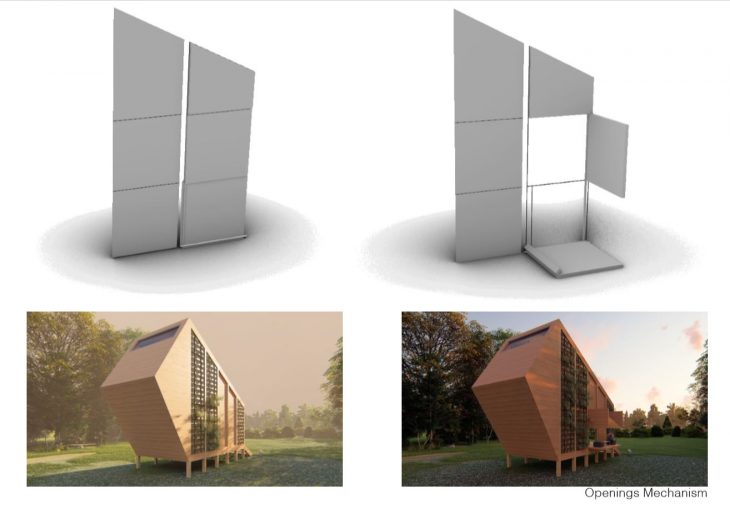
MACROSCALE- Growth
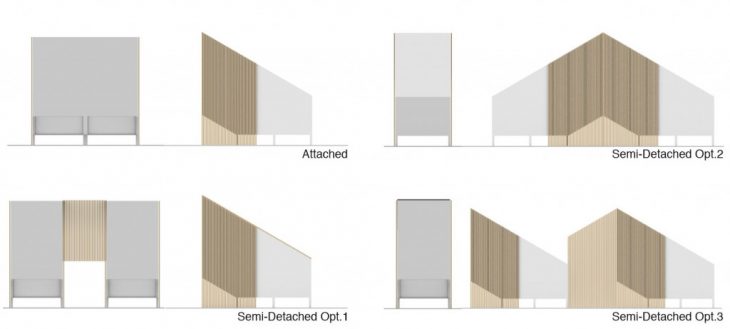
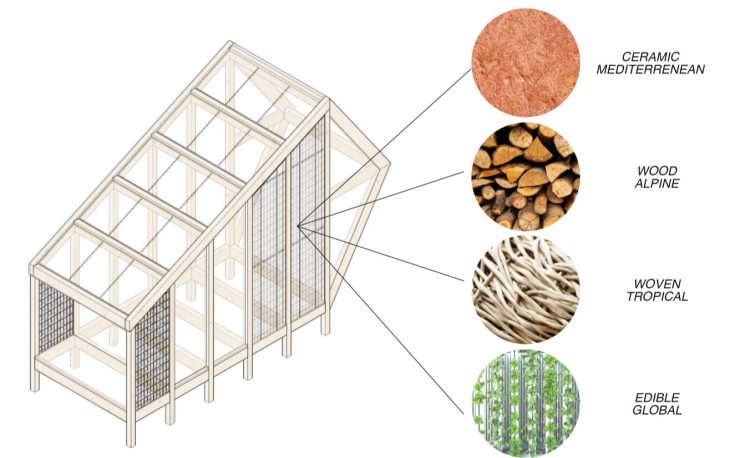
MATERIALS SYSTEM
BASE MATERIAL: WOOD globally available, economic, sustainable material
SECONDARY MATERIAL local materials enabling adaptation to climate & inhabitants preferences
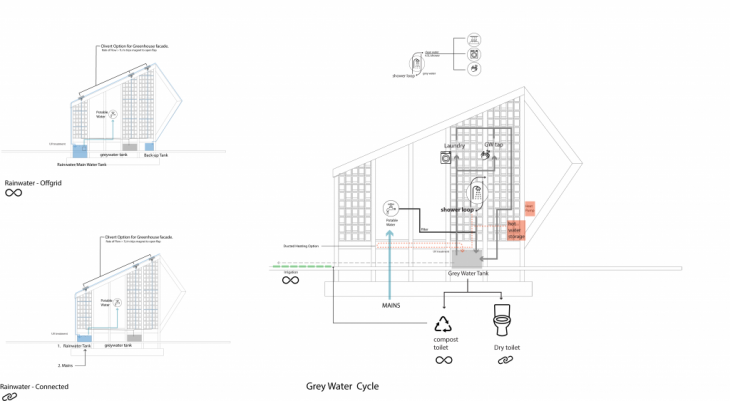
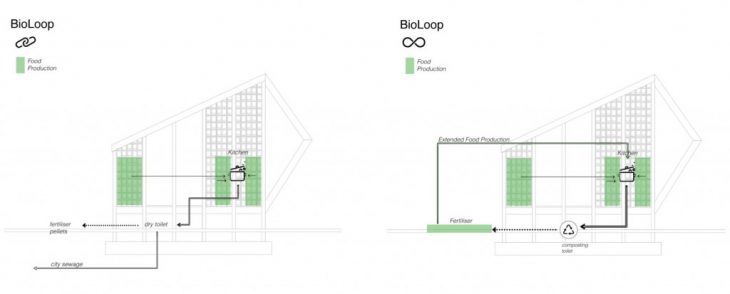
METABOLIC SYSTEM adaptation in environment
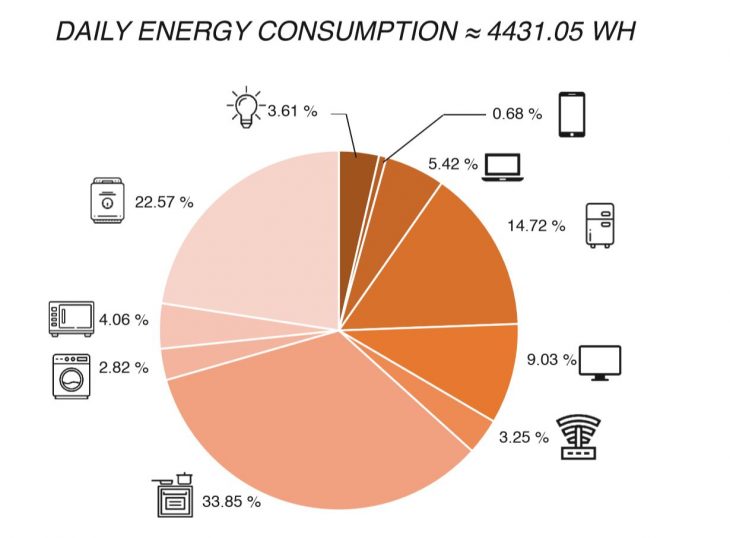
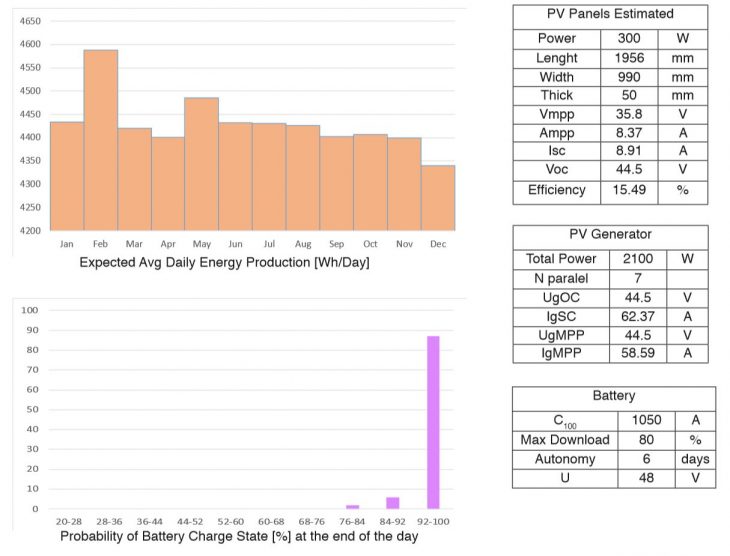
ENERGY
INFORMATION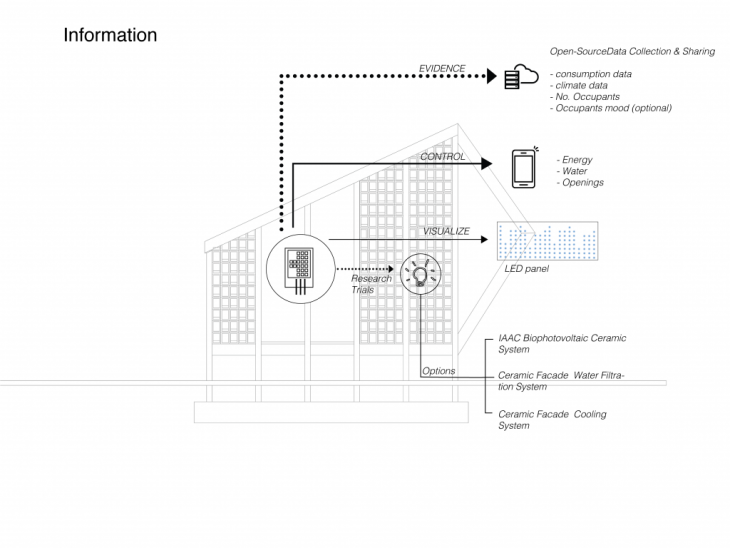
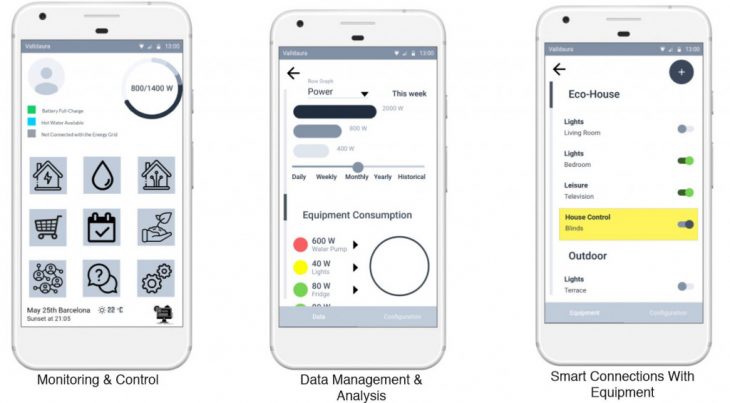
FINAL PROPOSAL
INTERIOR winter/ summer
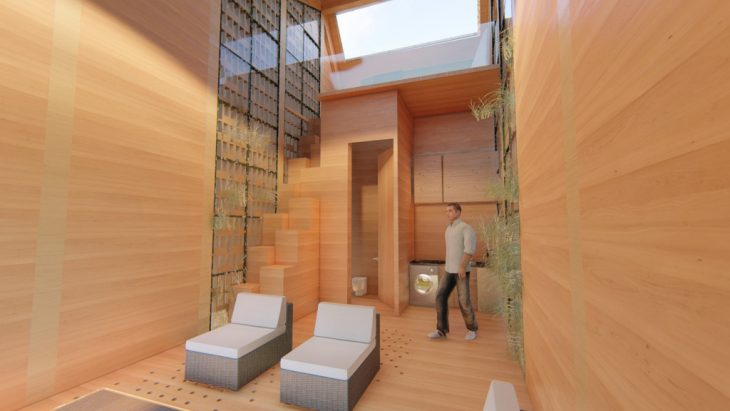
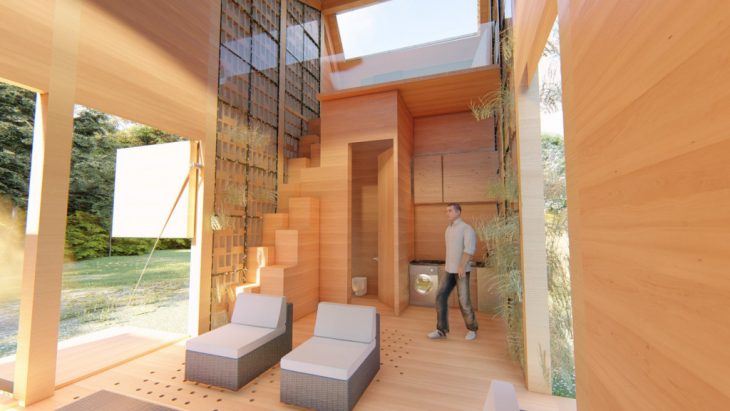
EXTERIOR winter/ summer
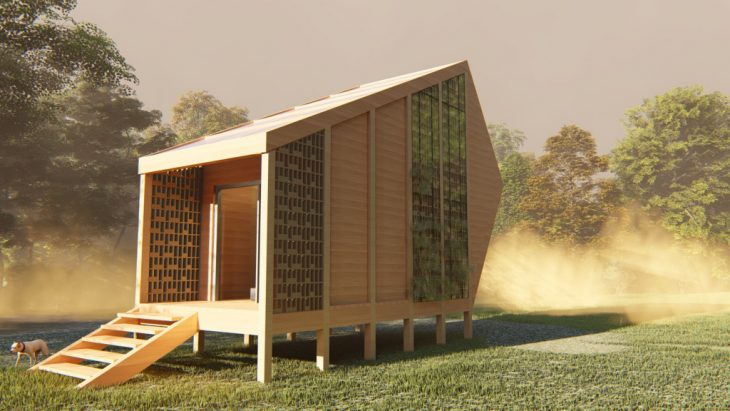
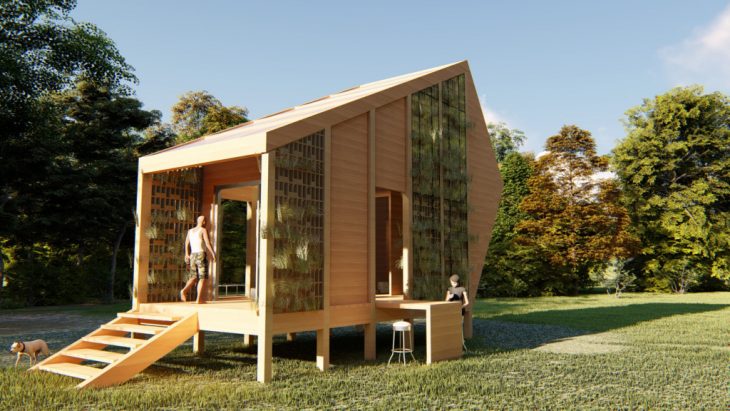
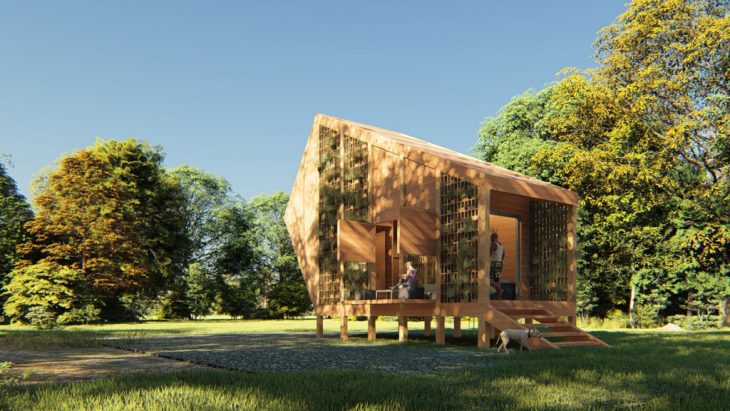
PROTOTYPE PHYSICAL MODEL
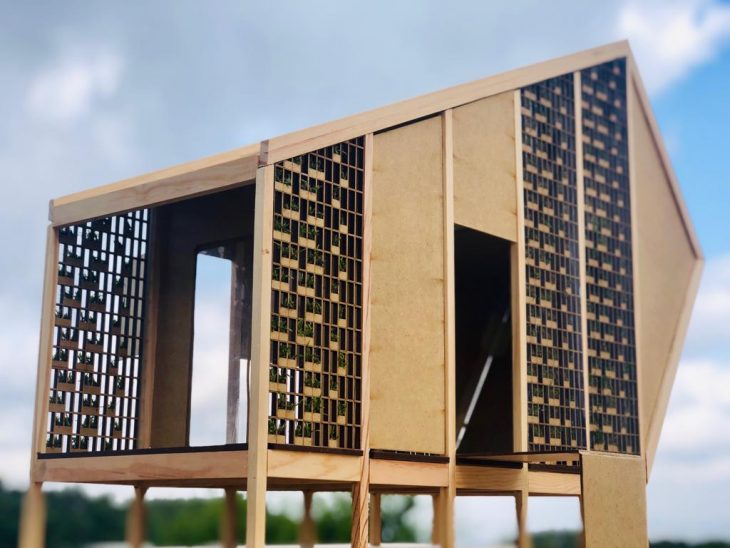
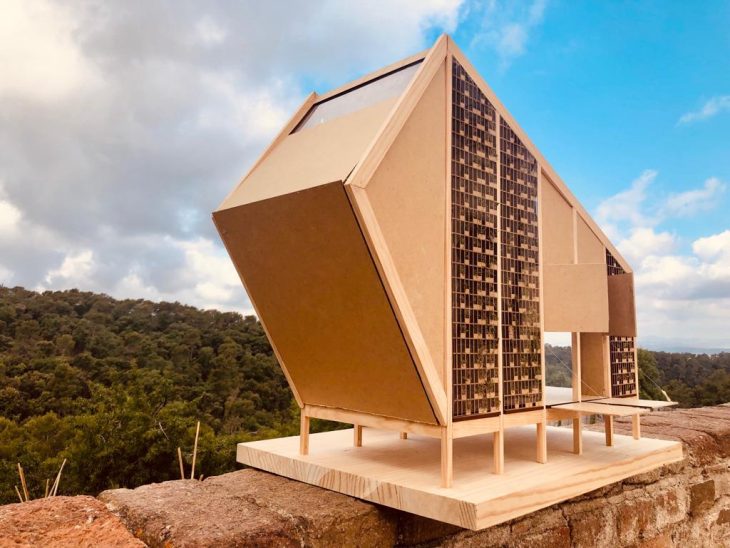
---------------------------------------------------------------------------------------------------------------
/PROJECT BY Nour El Kamali + Giulia Astrachan + Pilar Aguirre + Juliana Carmona + Jesus Bueno + Sinead Nicholson
/DEVELOPED AT IaaC (Institute for Advanced Architecture of Catalonia), Valldaura Labs
/COURSE MAEB (Master in Advanced Ecological Buildings) 2018-2019
/PROGRAM Prototype (phase 01)
/LEADED BY Vicente Guallart + Daniel Ibáñez + Marziah Zad