Class Syllabus

blog_intro1.jpg

Professor: Marta MALÉ-ALEMANY
Assistant: Shane SALISBURY

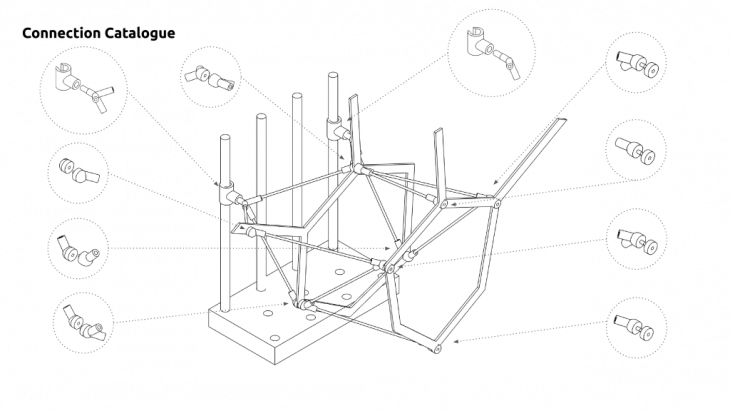
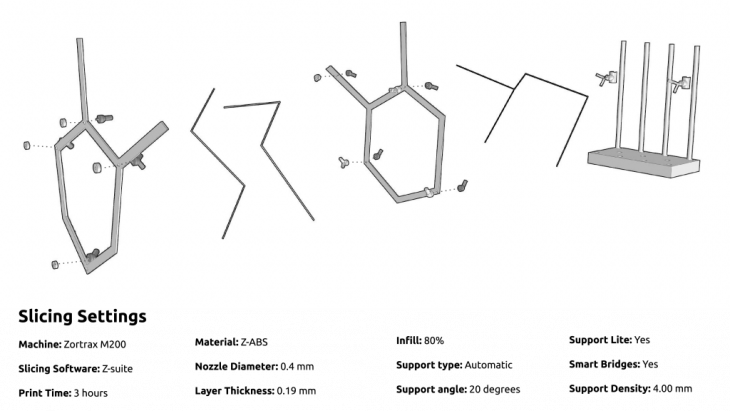
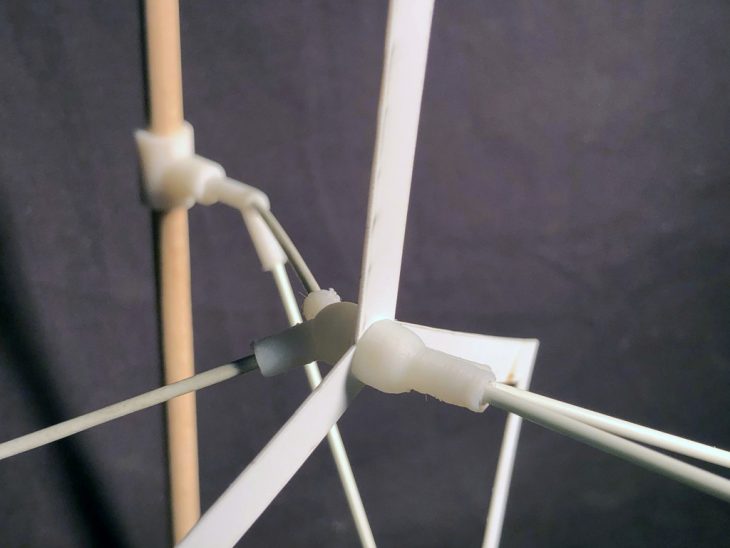
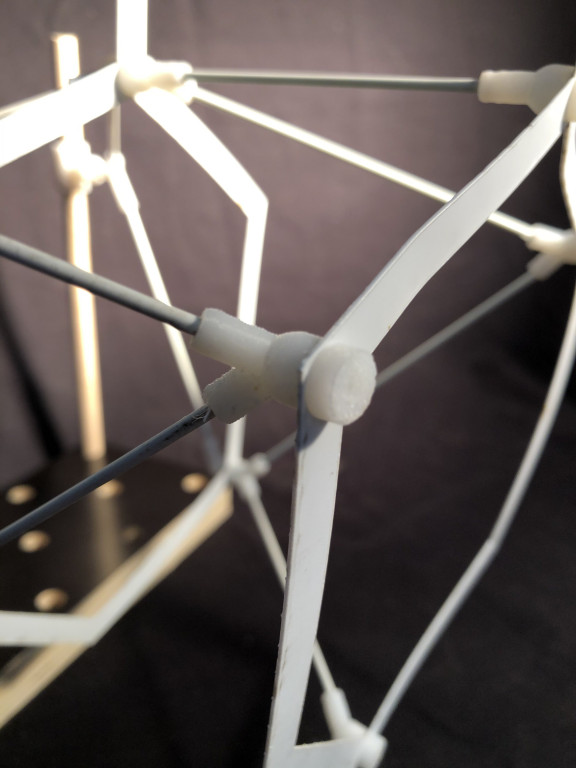
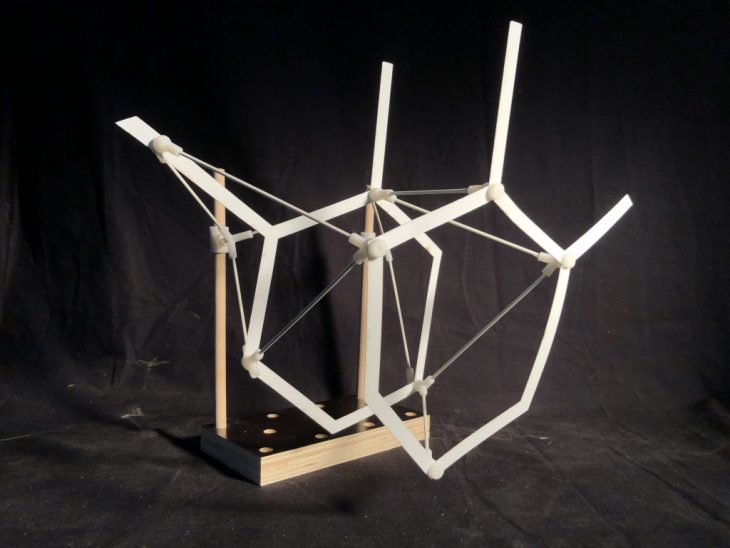
The DIGITAL FABRICATION Introductory Course is intended to initiate students in the use of advanced digital design methods and fabrication processes in an integrated way, to make physical things from virtual data. It will focus on the design, development of construction of full scale prototypes in a variety of materials, focusing on the transition between computer modeling and materialization.

Students will be introduced to the different digital fabrication processes available in the market with a series of comprehensive lectures, including discussions on specific case-studies. In the class, they will be guided through the use of Rapid Prototyping and CAD-CAM fabrication devices, by following design assignments specifically conceived to develop their skills. The course will give them the opportunity to test some of these processes, using the machines available at IAAC (CNC laser-cut, CNC milling and 3D Printing).

Besides the development of technical skills, the ultimate goal of the course is to inquiry how these new fabrication methods are changing the language of design, while challenging the traditional architectural process from conception to construction.

PREREQUISITES
Experience with computer modeling applications (Rhino or other) is a plus, because the course will require, but not teach, knowledge in using 2D and 3D design software. During the first 3 weeks of the term, IAAC will offer special Rhino classes for students who wish to learn or improve their computer modeling skills.Students must sign the ‘IAAC CNC Machines Protocol’ in order to be allowed to use IAAC’s digital fabrication equipment.

INSTRUCTIONAL / LEARNING OBJECTIVES
At the end of this seminar the students should be able to:
1. Be conscious about the digital continuity between conception and fabrication, and have a greater intuition of the potentialities that can emerge from this condition
2. Develop a model for fabrication in a digital CAD-CAM environment
3. Generate a code to drive a CNC machine and use it to fabricate design parts

INSTRUCTIONAL / WORKING METHODOLOGY
The course will be structured in 4 main assignments, distributed in 2-week periods. Each assignment will be preceded by a general lecture, which will present the specifics of the exercise together with examples from architecture and other design fields. After this introduction, students will work on their own to develop their projects. In the following class, faculty will evaluate their explorations and demonstrate the use of machines for its fabrication. Students will then have an entire week to use the CNC equipment of IAAC and produce their assignment, which will be displayed together with the rest of class projects, in a public exhibition format.

All student work will be framed and understood as being part of a whole class enterprise. Participation, discussion and knowledge sharing will be promoted, and recognized as the basis of this common agenda. All the results will be compiled in a general class blog format.

The course will meet on Thursdays from 4 to 8 PM.
The assignments are scheduled as follows:
Oct 11 General Introduction + Assignment 1 (Design)
Oct 18 Assignment 1 (Fabrication)
Oct 25 Exhibition Assignment 1 + Assignment 2 (Design + Fabrication)
Nov 1 HOLIDAY
Nov 8 Exhibition Assignment 2 + Assignment 3 (Design)
Nov 15 Assignment 3 (Fabrication)
Nov 22 Exhibition Assignment 3 + Assignment 4 (Design)
Nov29 Assignment 4 (Fabrication)
Dec 13 FINAL PRESENTATION (All assignments)

Note: Schedule is tentative and subject to change. Given the class interest of
generating physical prototypes using the CNC equipment of IAAC, it may be
necessary to allocate additional practical sessions to accomplish this objective. If that were necessary, they would be scheduled by general consensus among students and faculty.

GRADING
Students are expected to complete all 4 assignments, submitting copies of their
files and images of their constructions. Attendance to the class is mandatory and
will be taken into account in the final grade.

CONTACT
For any question about the class or emergency at the machines please contact:
Marta Malé-Alemany | mma@re-d.com
Shane Salisbury | fablab@iaac.net 646975335