Sustainable Affordable Housing through Mass Customization: An Early Stage Design Approach
Abstract
With the cost of both energy and housing constantly increasing, people around the world are unable to find adequate and appropriate housing solutions. In order to give answers from a circular economy perspective, a bottom up approach is needed. The concept of sustainable housing affordability is introduced and implemented by mass customization strategies in the field of design and architecture; integrating the social, economic and environmental capital, specifically in the early design process. The research focuses on performance criteria for energy and resource efficiency, through two experimental digital platforms; potentially reducing the life cycle cost, influencing the resources flux, and consequently increasing the affordability in the housing industry in the economic and environmental area.
Keywords— Sustainable, Housing affordability, Performance, Mass Customization, Adaptability, Design, Life cycle, Resources flux.
Workflow 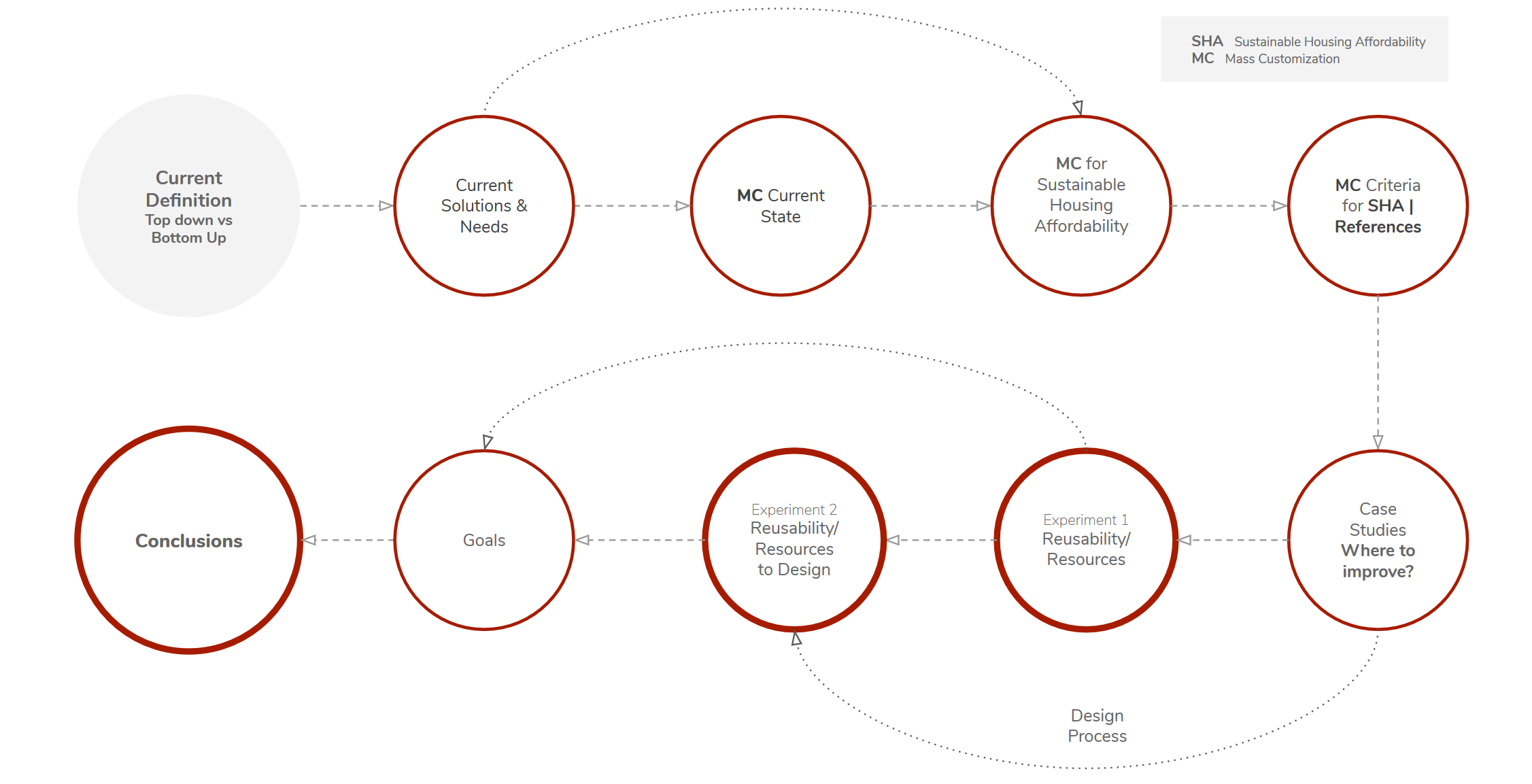
Framework
87.46 million people in the EU living in poor quality dwellings
“Housing should be seen as a human right, not a commodity.” -Leilani Farha
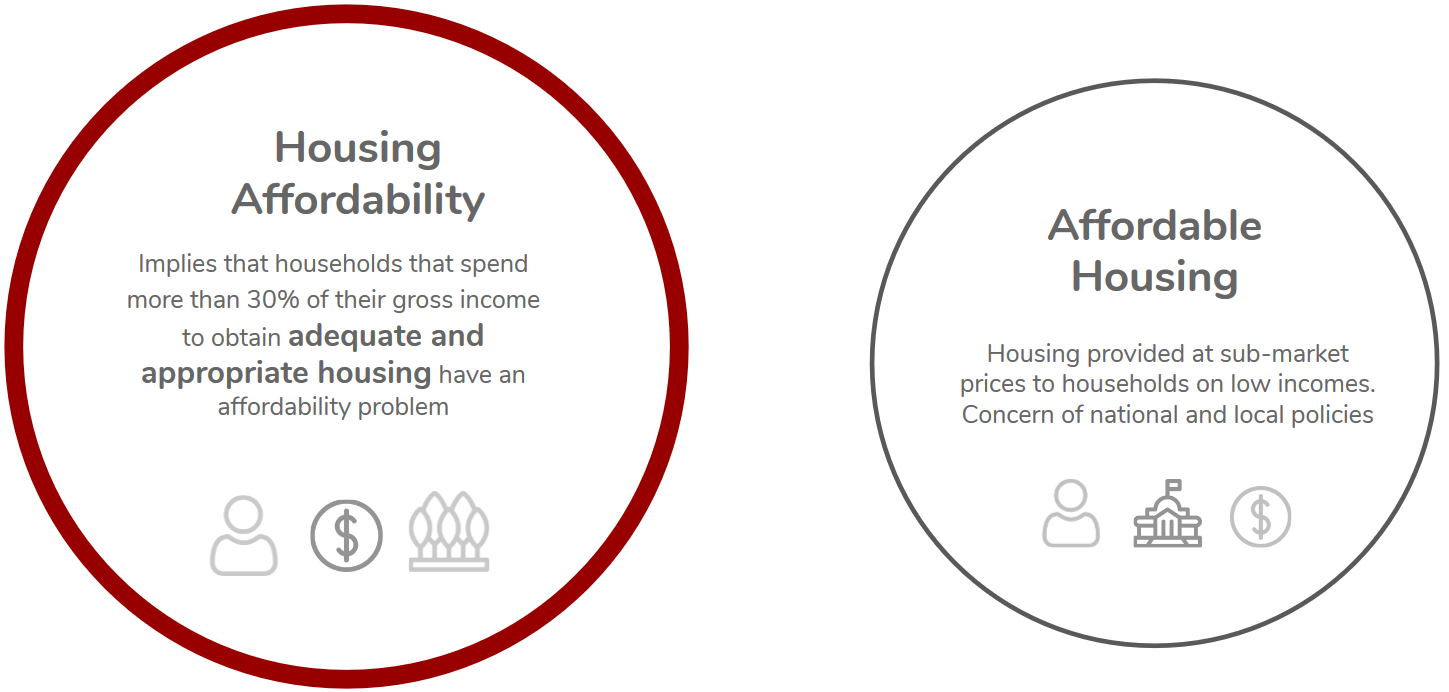
Global Trends
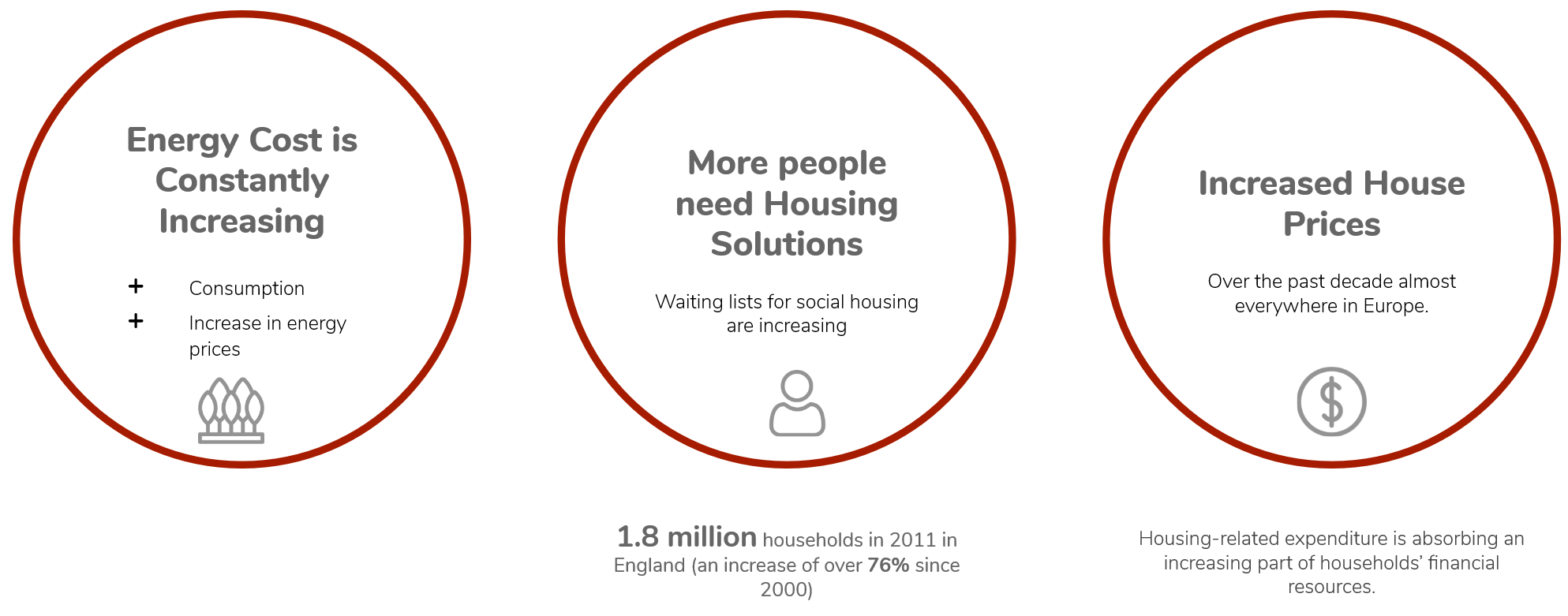
Housing affordability Needs
Solution Implementation / Opportunities for the research
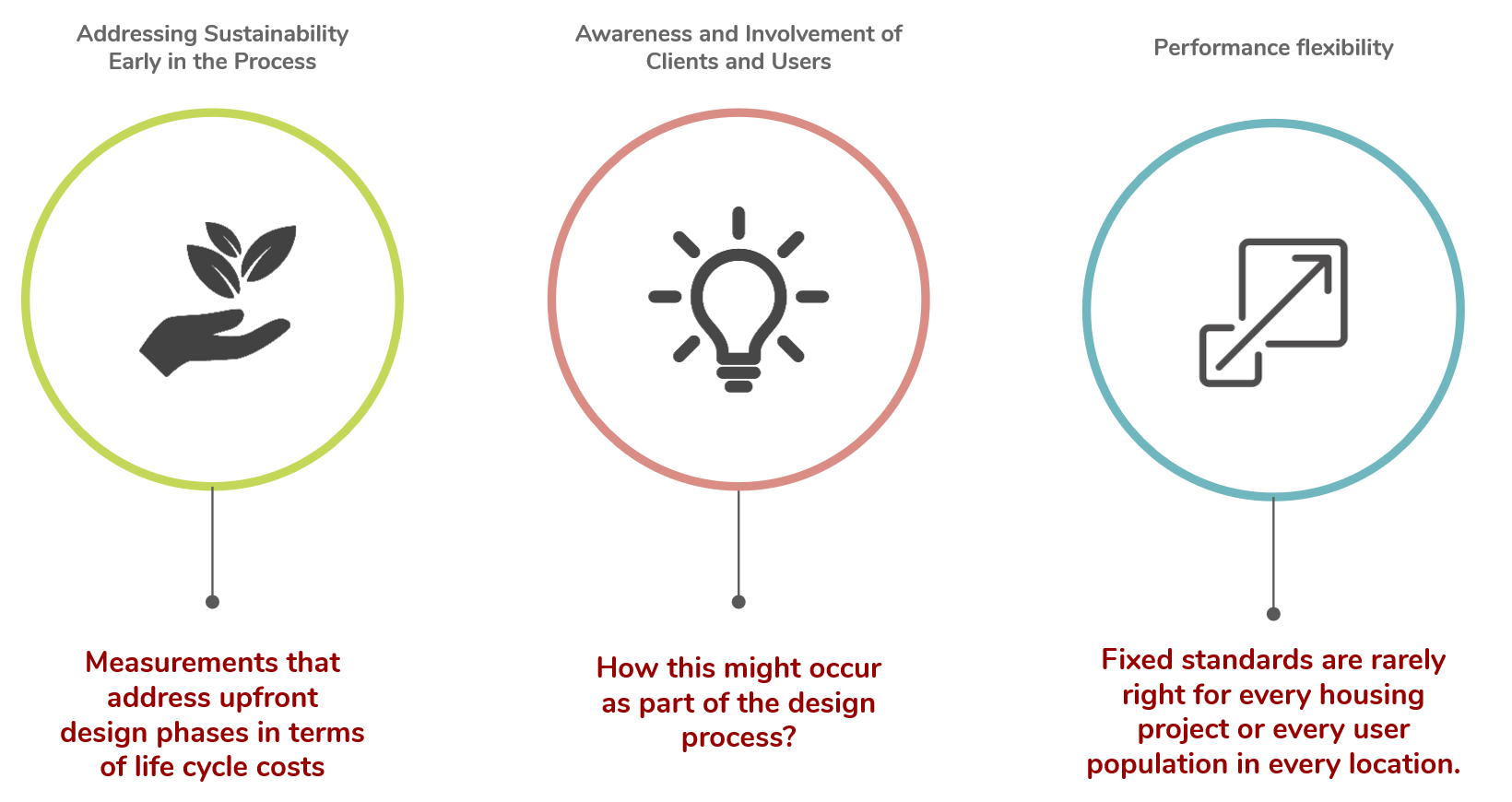
Housing affordability Strategies
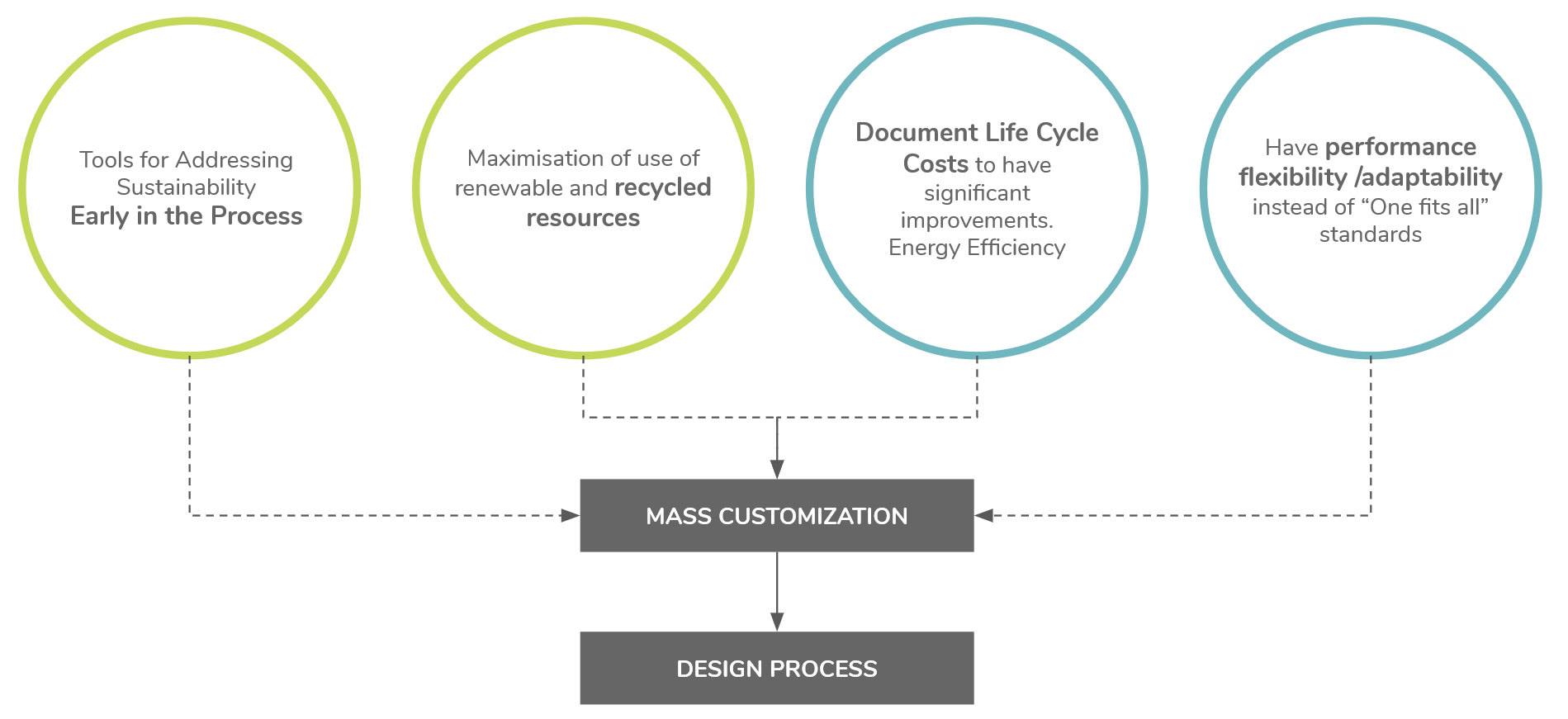
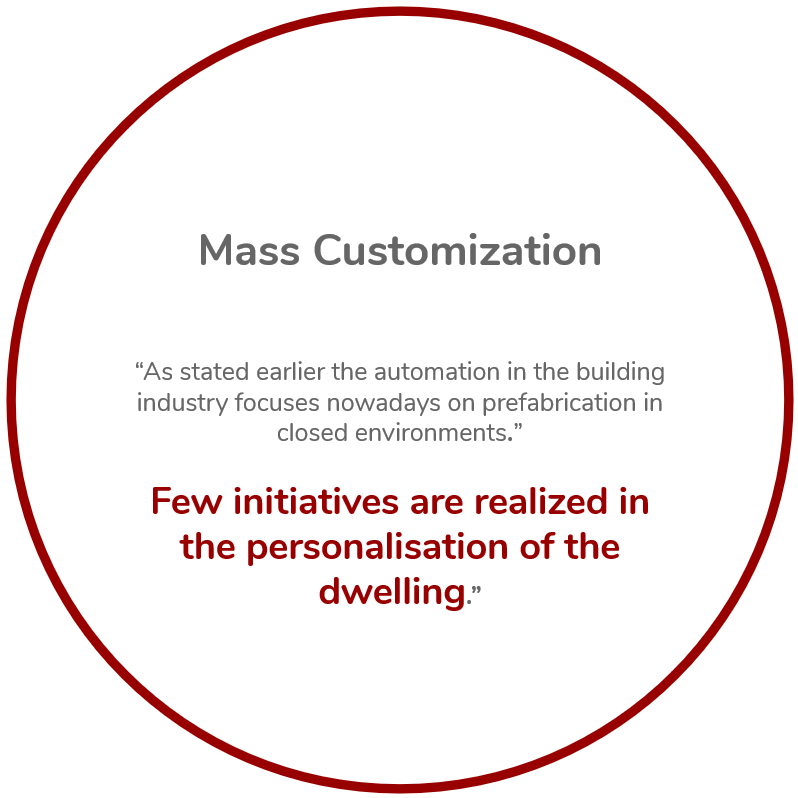
MC Current State
Mapping mass customization
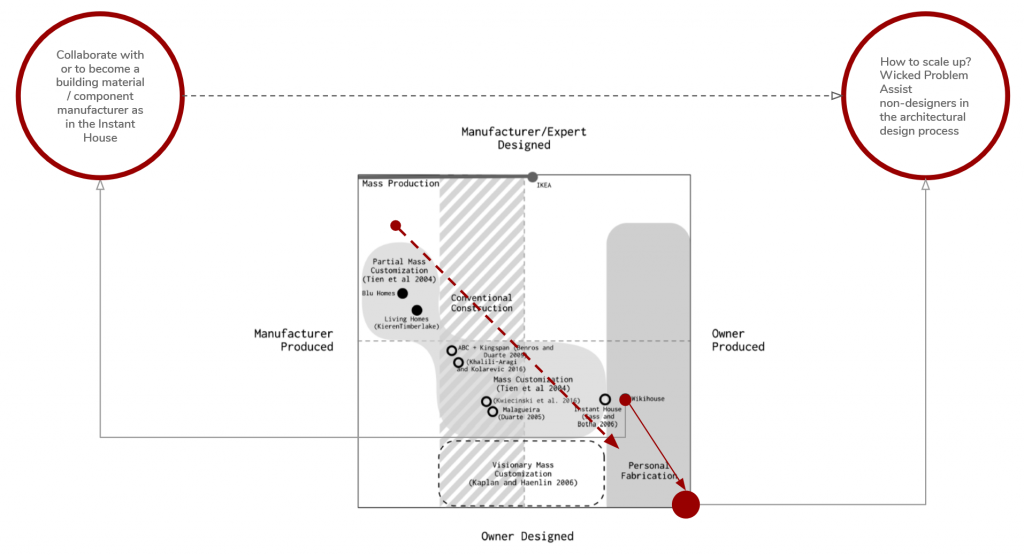
Evolution of Mass Customization
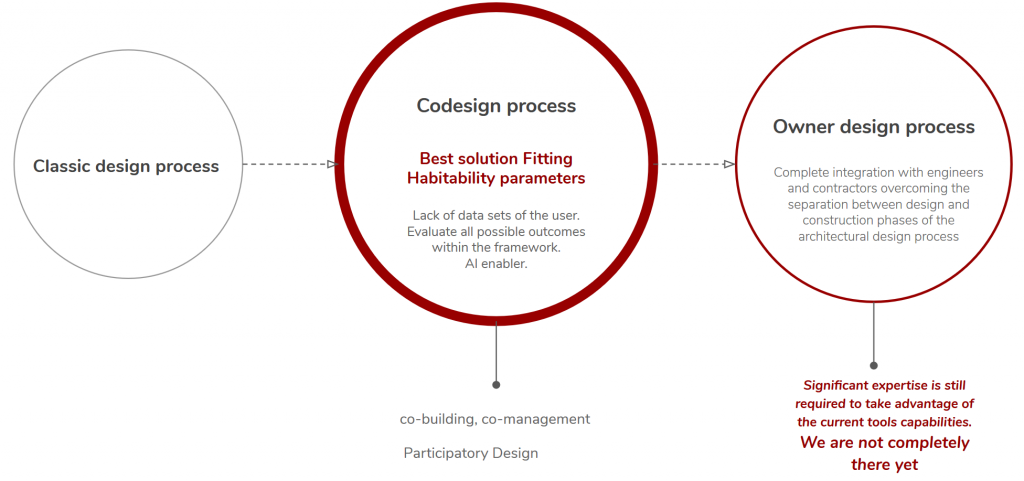
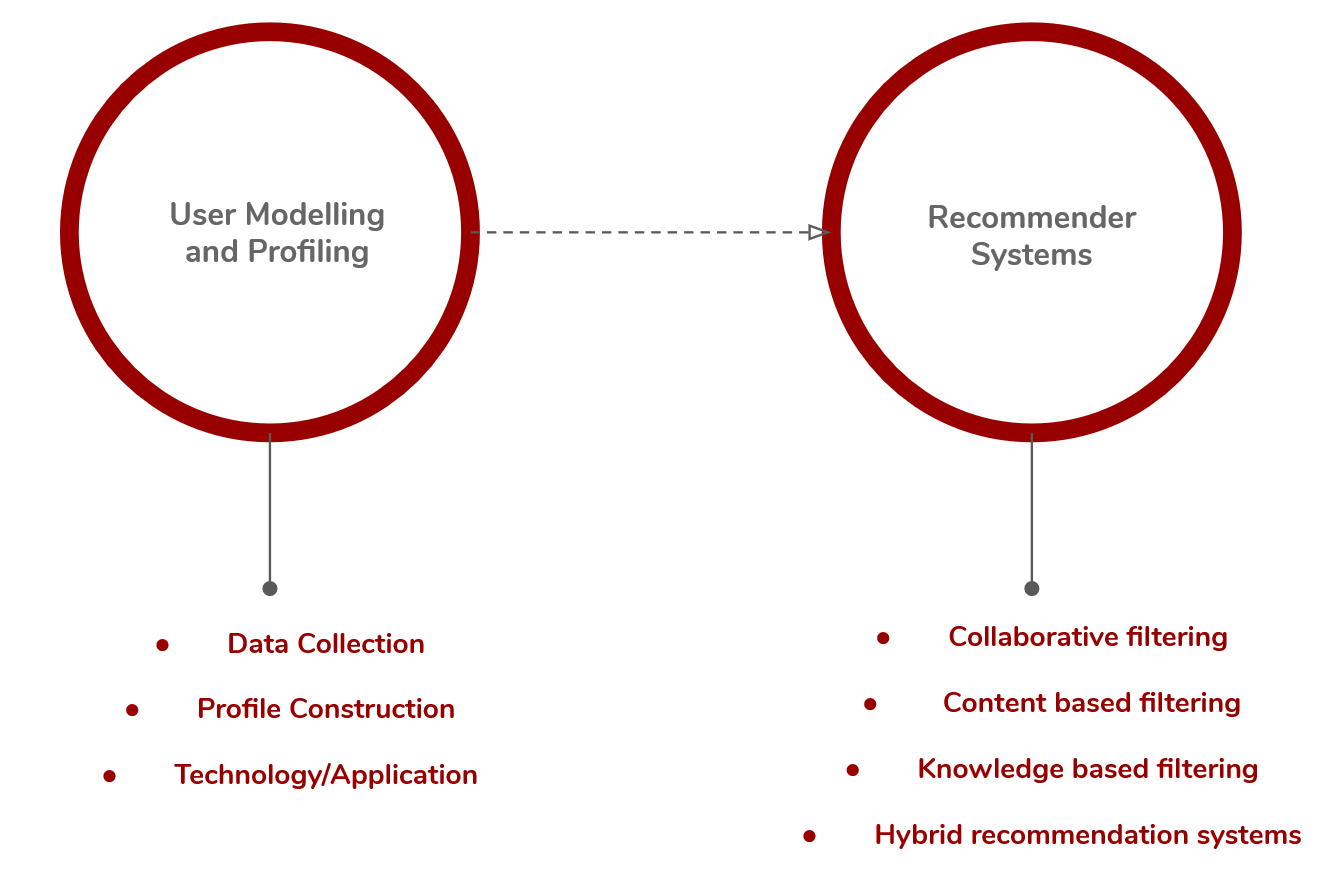
Defining User Models
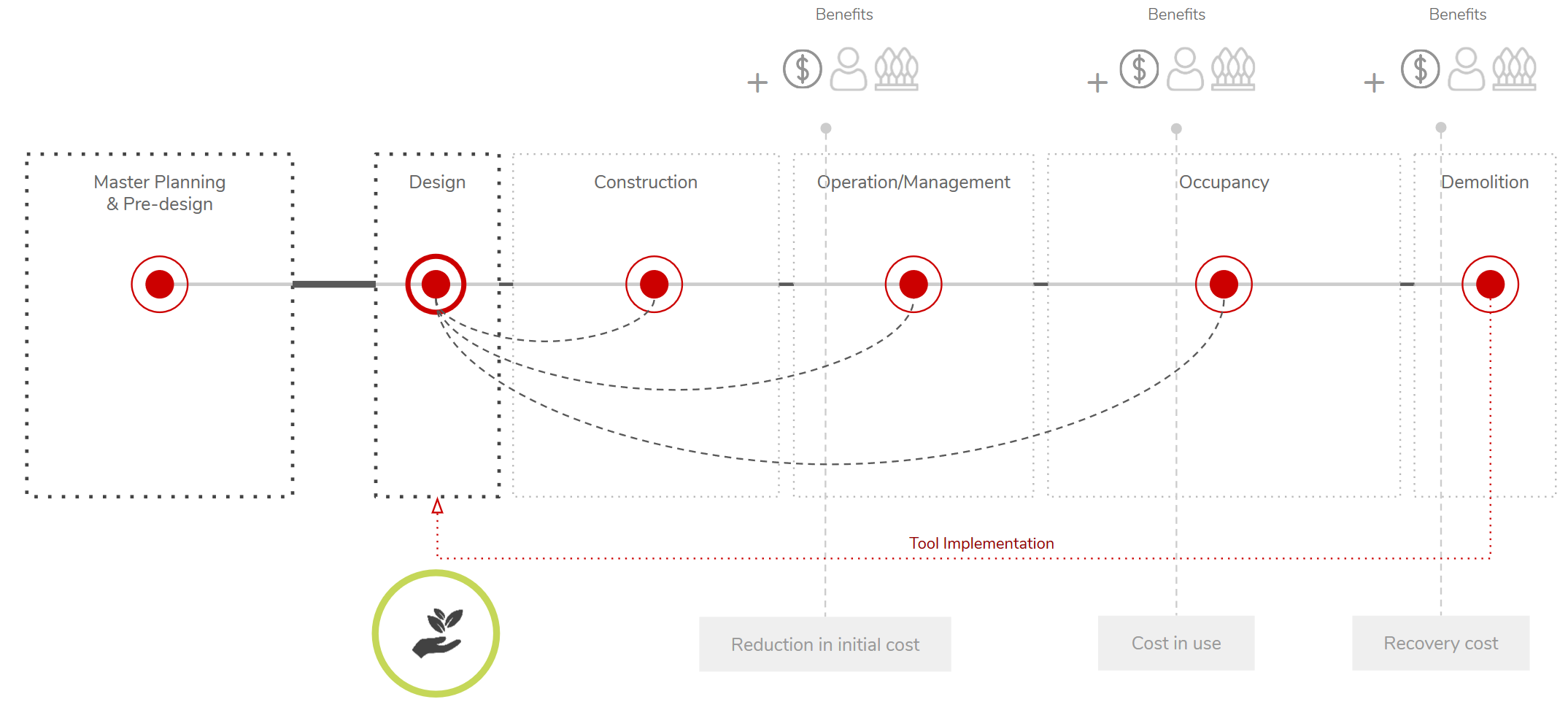
Building Life Cycle
Benefits
References
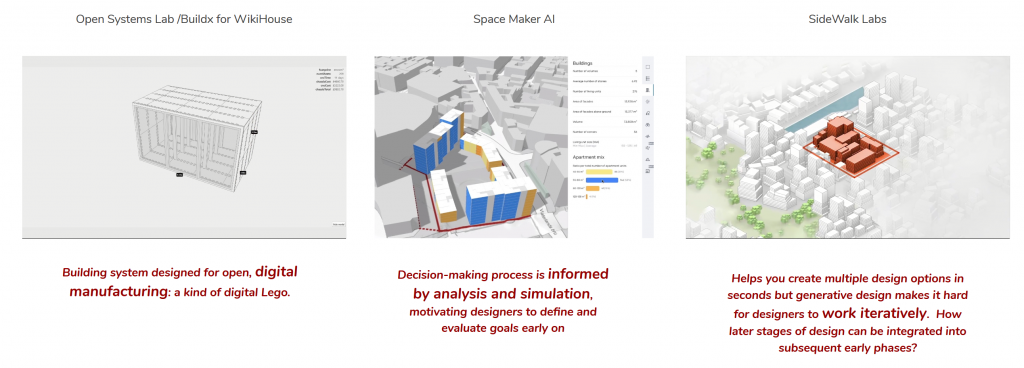
Adaptability performance / Industry
Systems that helps users make informed design decisions on the conceptualization phase
Critical Statement
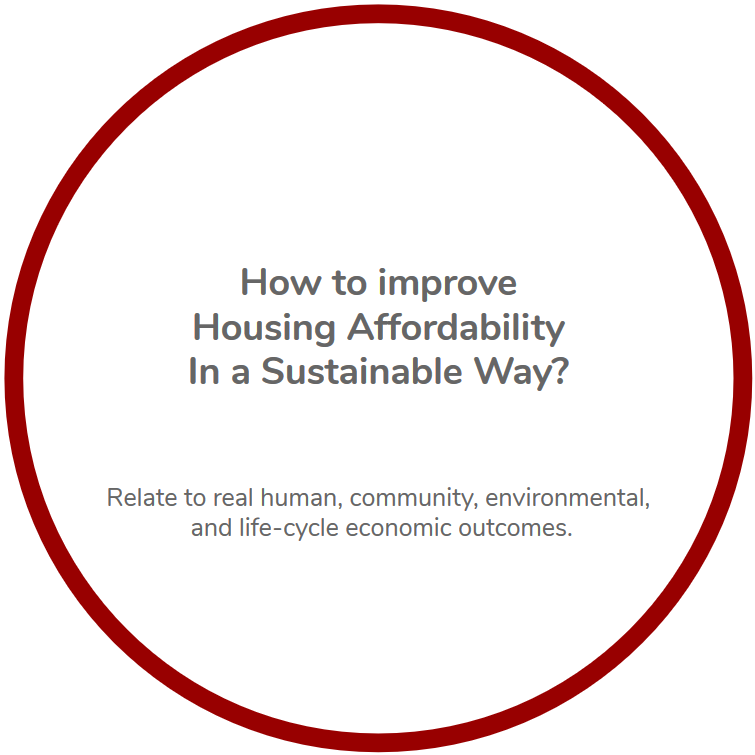
The implementation of mass customization strategies can improve housing affordability, through a digital design platform integrating the social, economic and environmental capital
Interest
Mass Customization for Sustainable Housing Affordability
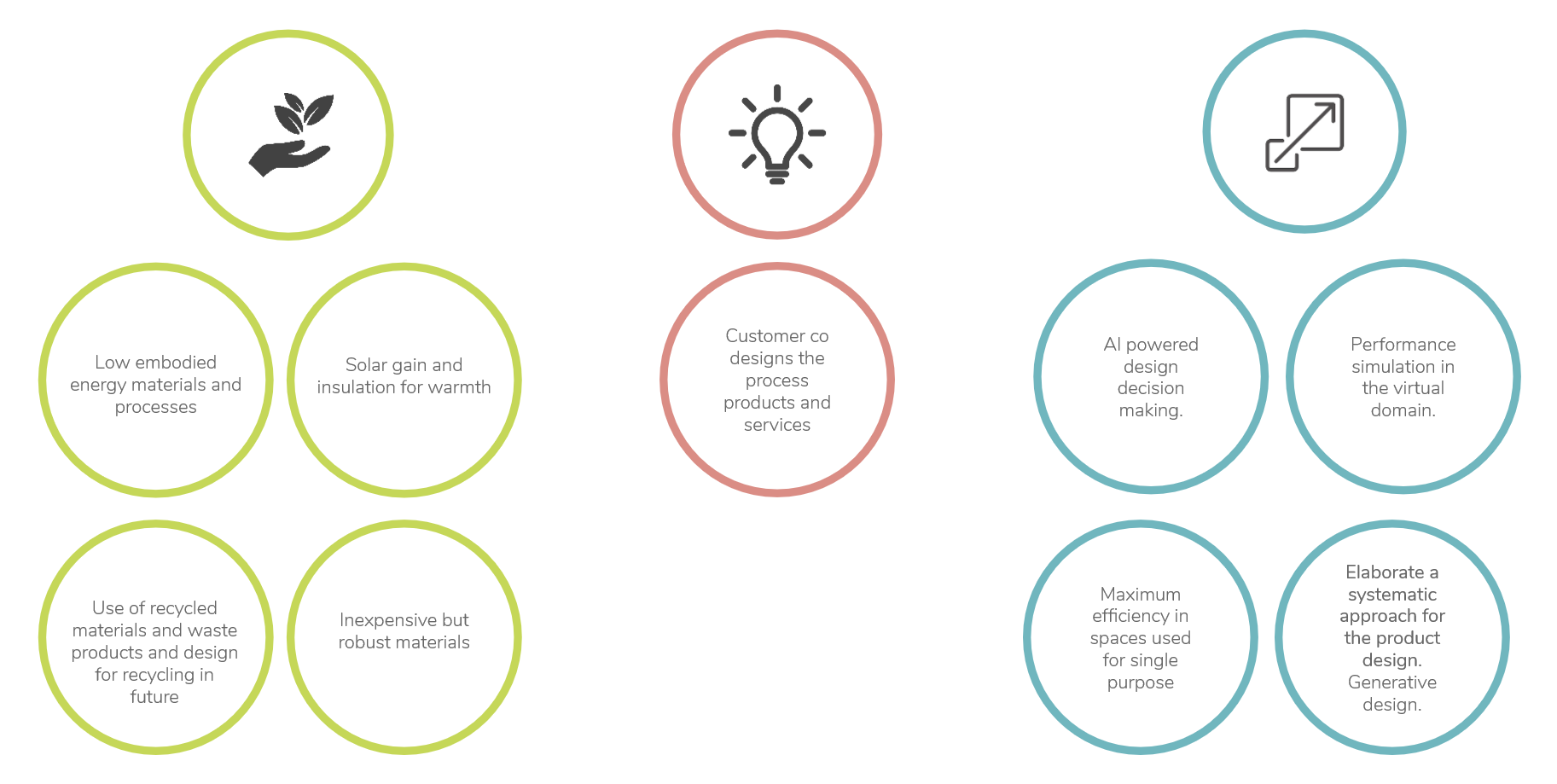
Parameters to Implement
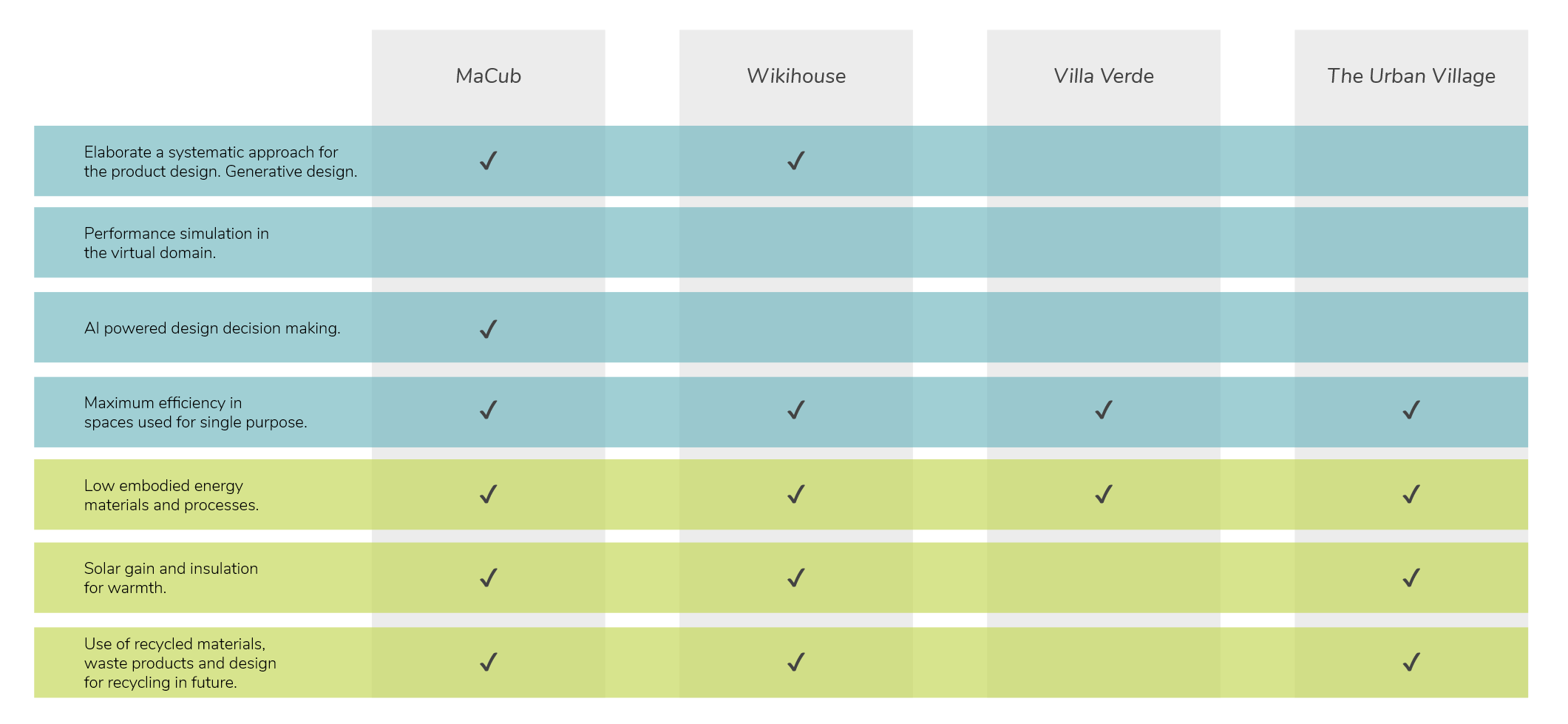
Case Studies
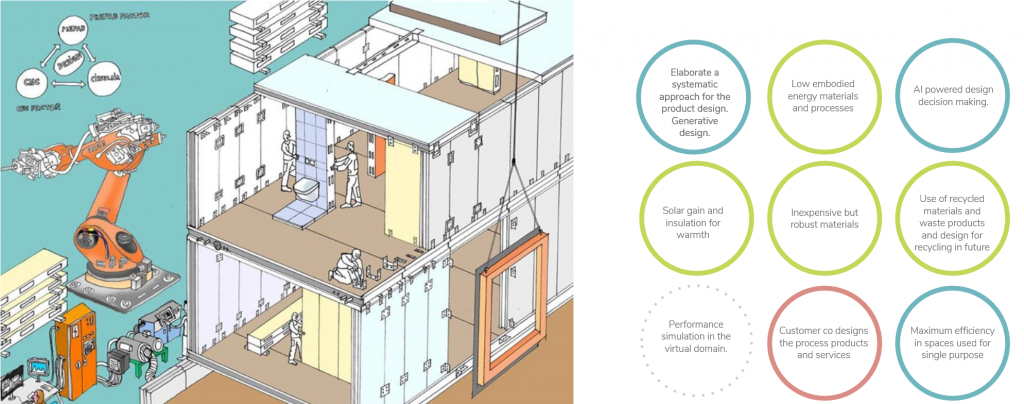
MaCub-Mass Customized Building Systems
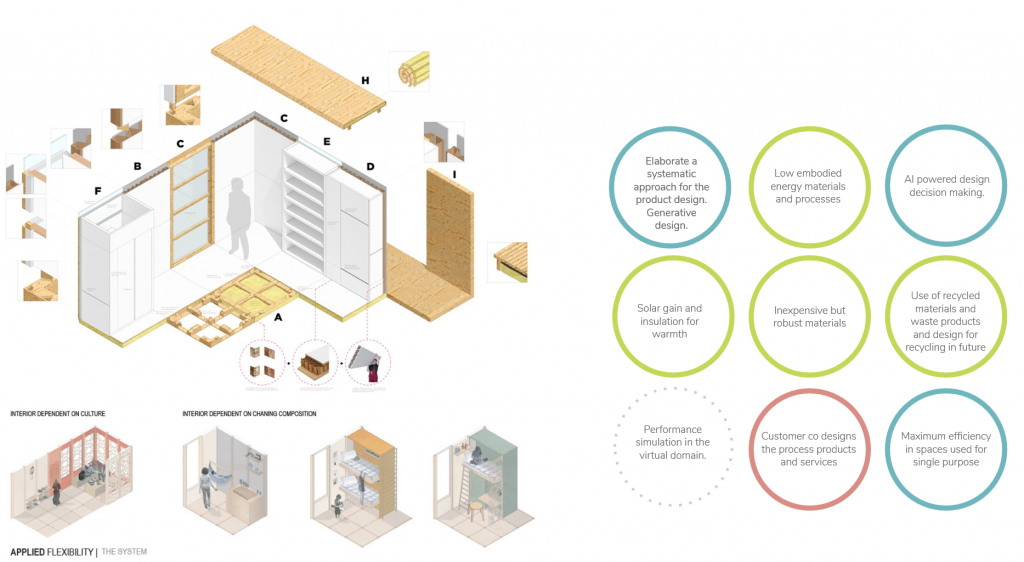
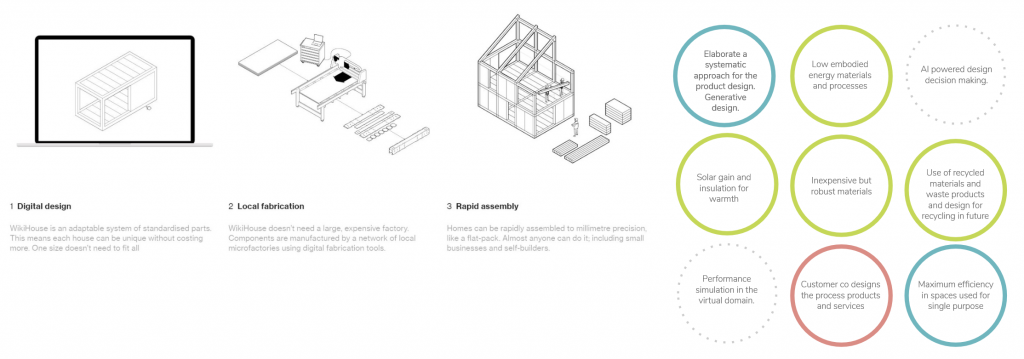
Wikihouse 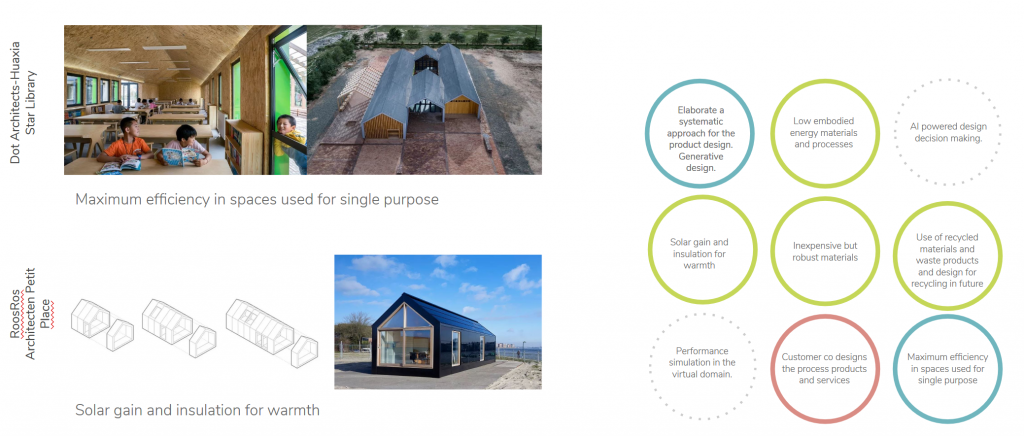
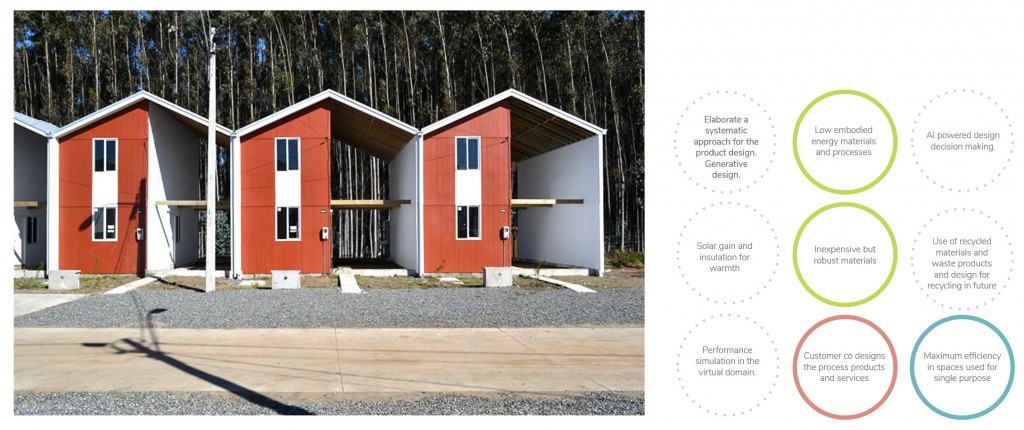
Villa Verde-Elemental
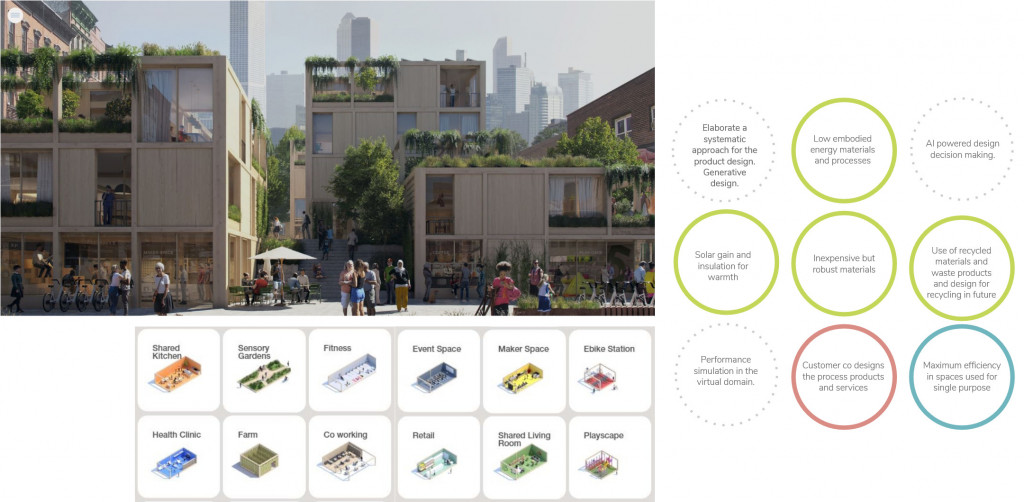
The Urban Village Project
Experiments
Design Cycle + Resources Cycle
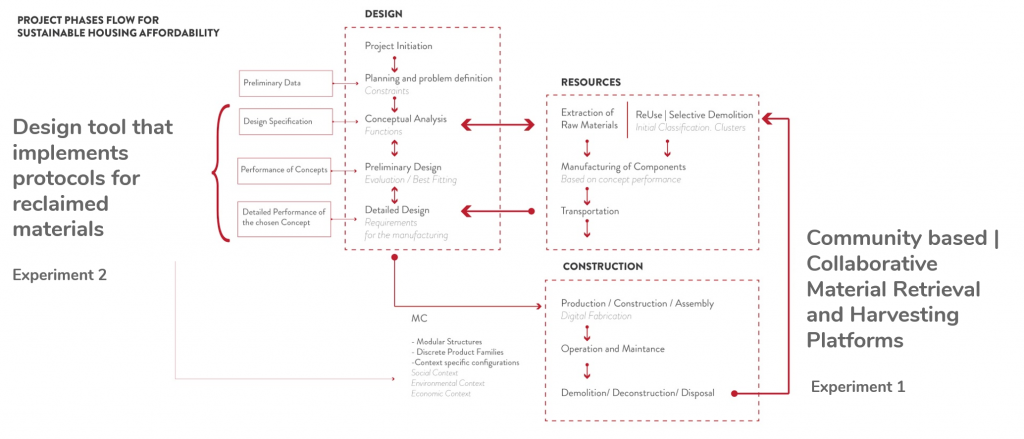
Experiment # 1
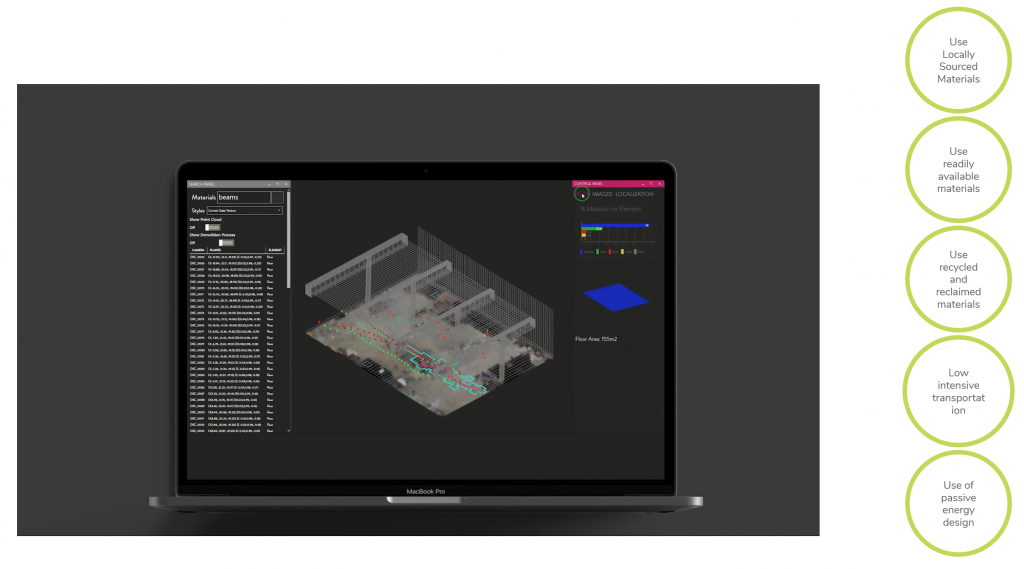
Resources Cycle
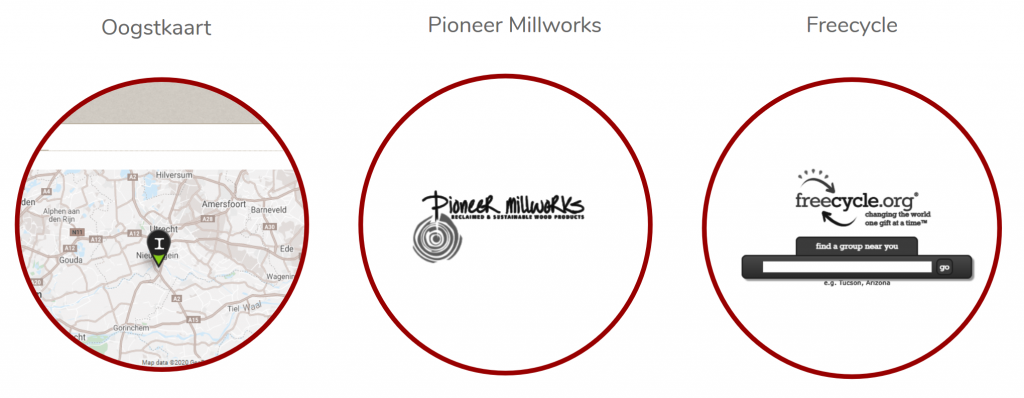
Material Harvest Platforms for Reusable Materials
Experiment # 2
Design Cycle
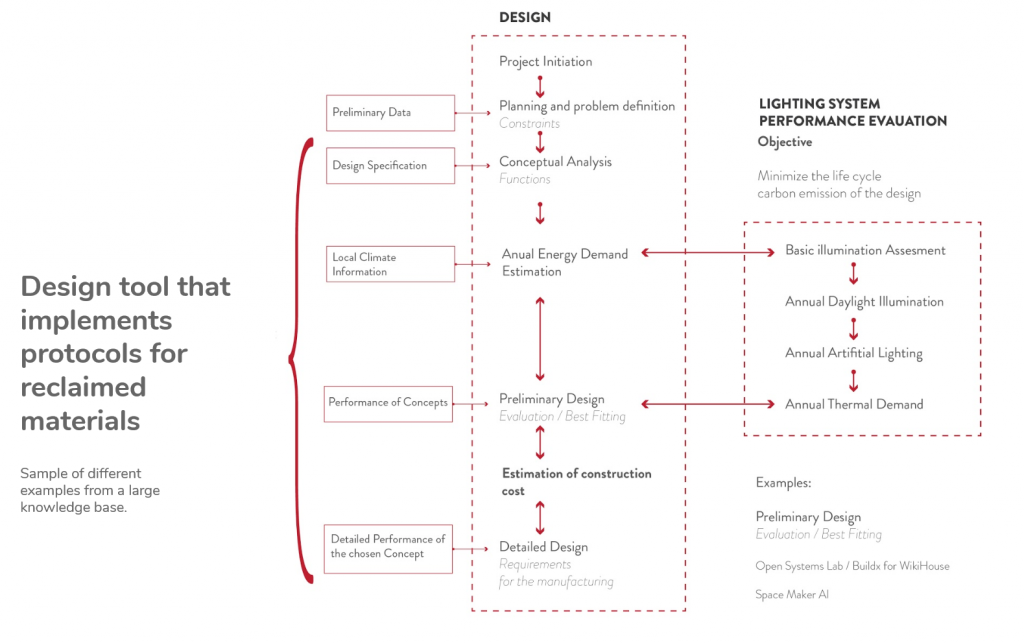
Design Cycle + Resources Cycle
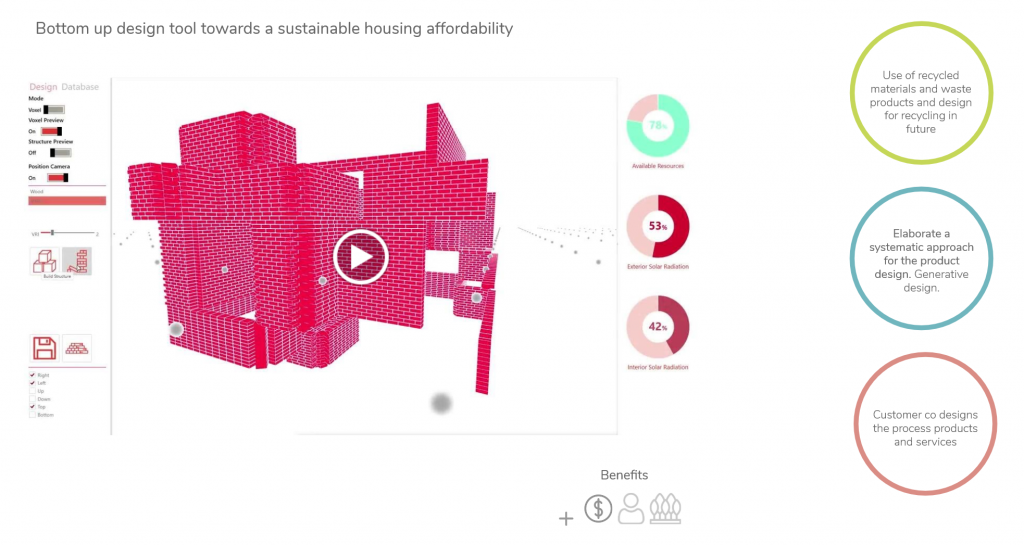
Bottom up design tool towards a sustainable housing affordability
Challenges
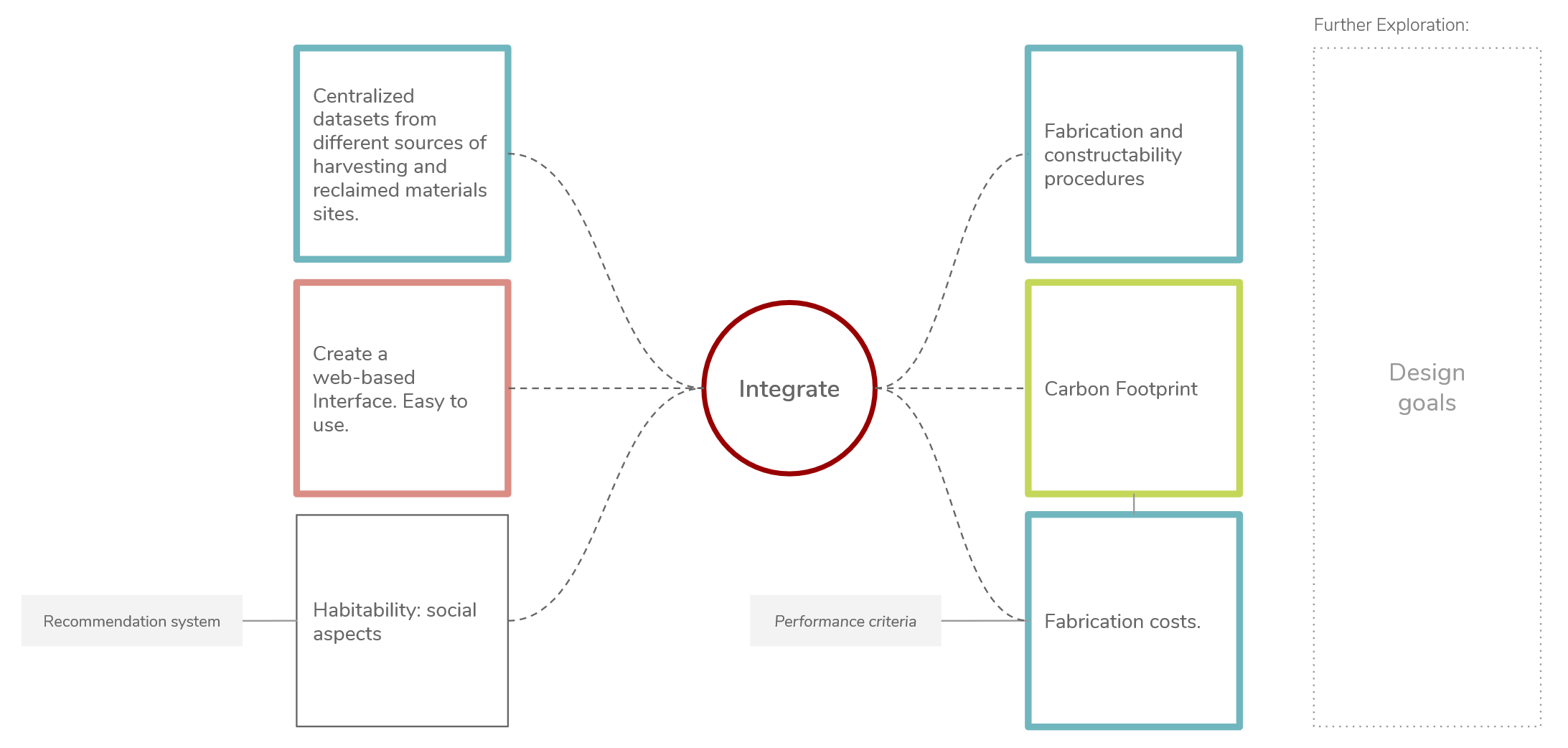
Goals
Early design tool
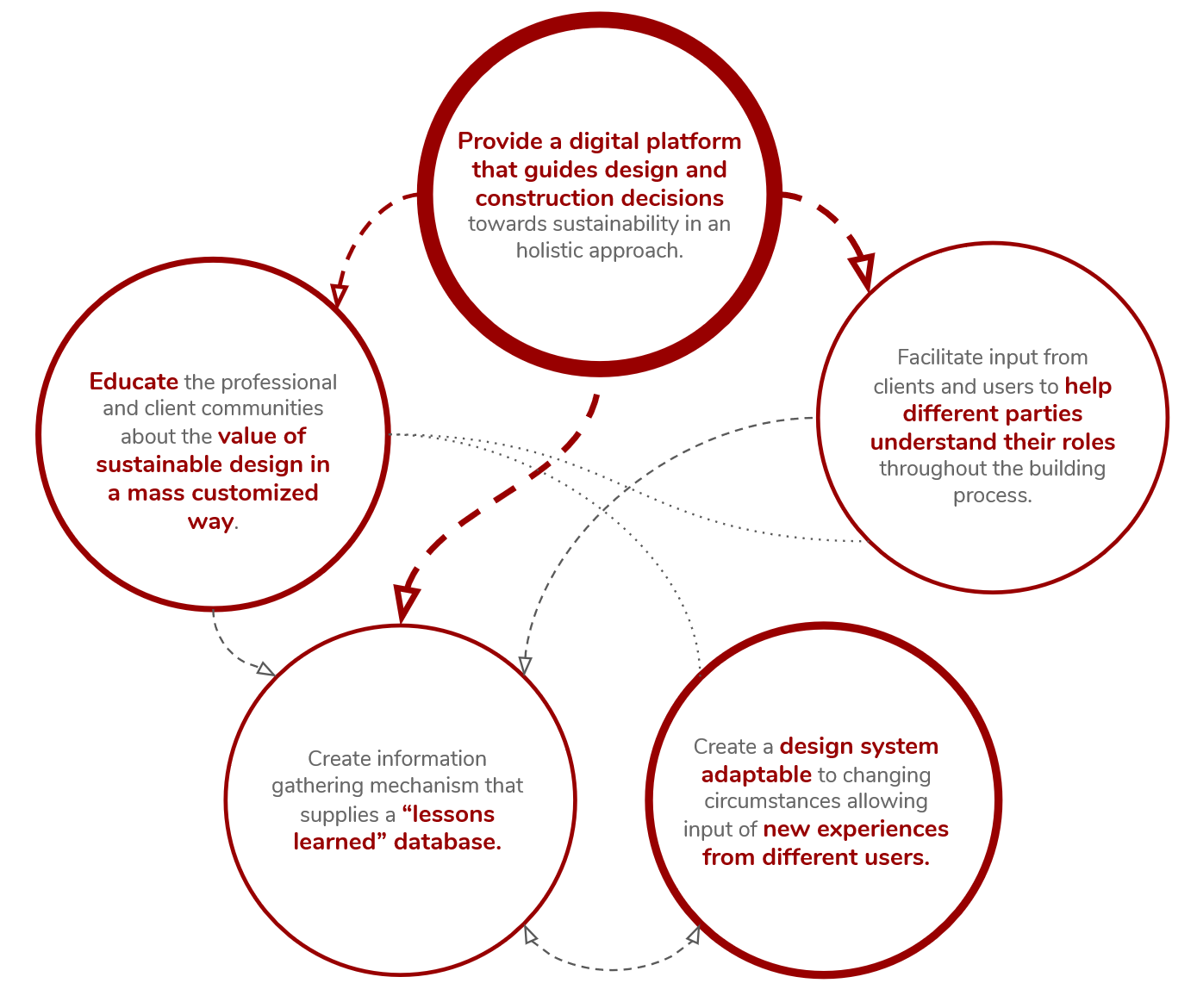
Conclusions
Faculty:
Mathilde Marengo
Students:
Roberto Vargas
Beril Serbes
Luis Jayme