As we were learning to stock our pantries and torture nature for her secrets, the industrial revolution kicked in and the machines took over. Suddenly, there are too many of us and our habits are unsustainable. The global urban development and haphazard growth have resulted in cities with an excessive amount of people, unskilled and untrained, living in chaotic sprawl.
STATEMENT
Re-Settle aims to provide a sustainable and responsive approach to integrate the idea of Zero waste into solving the issue of the poor human living condition by introducing circularity in slums by recycling-constructing-earning using plastic waste which will rejuvenate the blighted areas.
SCOPE
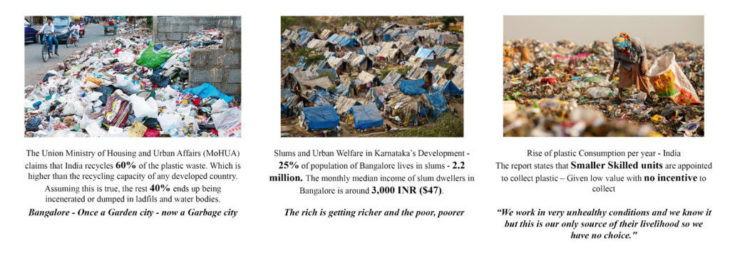
(CSE India, 2020) (UNIDO with Govt. of India)
PROBLEMS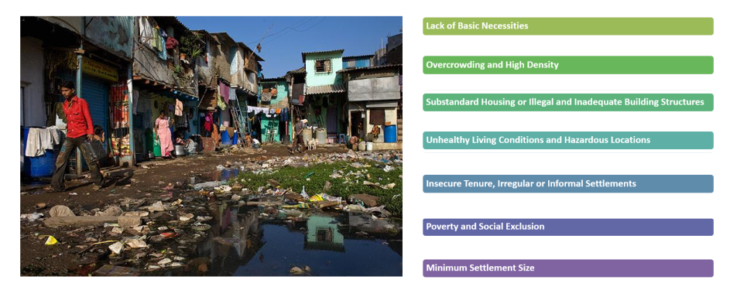
HOUSE TYPOLOGY
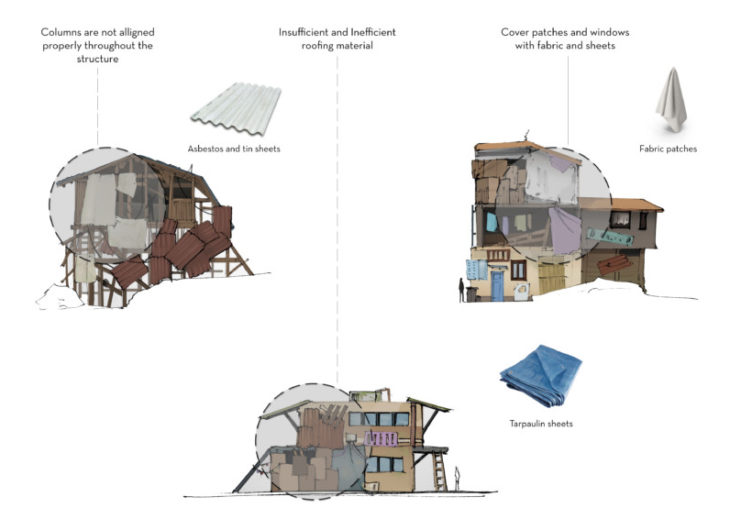
Art by Izabella Pudlowska
SUSTAINABLE DEVELOPMENT GOALS
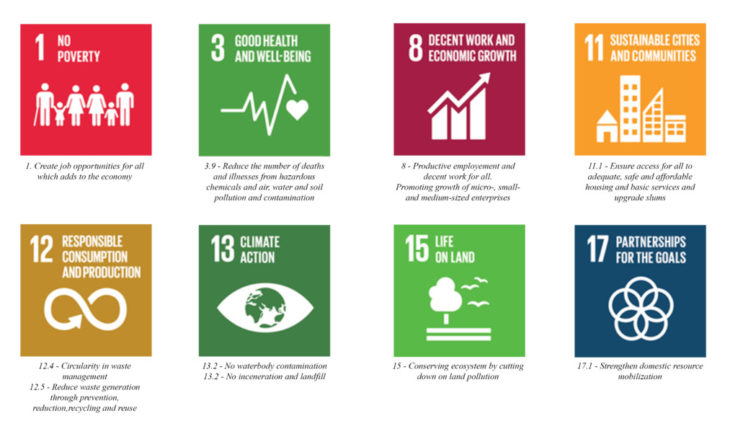
UNDP, India 2015 Sustainable Development Goals
SCIENTIFIC INTEREST
9,200 tonnes of plastic is being produced every day in India out of which they claim to recycle only 60% of it. This questions the circularity of the material and its usage.
As the slums are growing along with the production rate of plastic, can recycling plastic turn these blighted areas into mines, creating employment opportunities, sanitary and sheltered living areas and a self-sufficient & sustainable community?
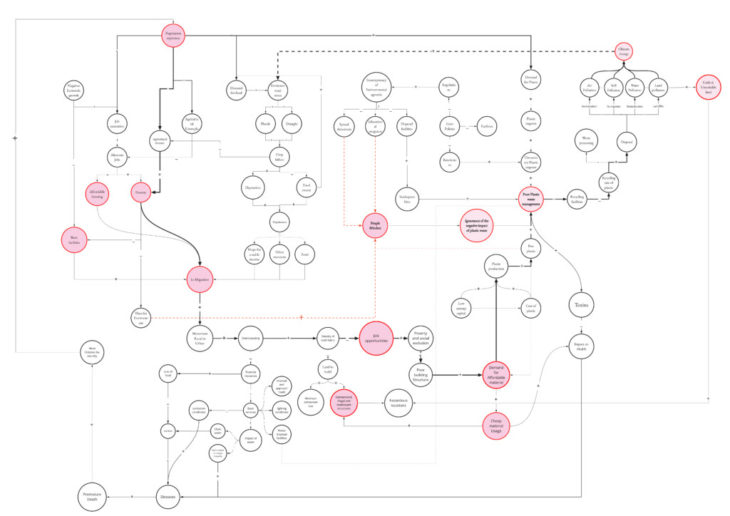
SYSTEMS MAP
7 PILLARS
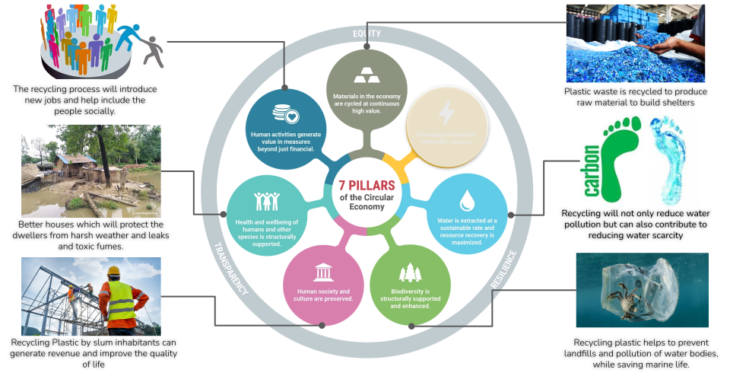
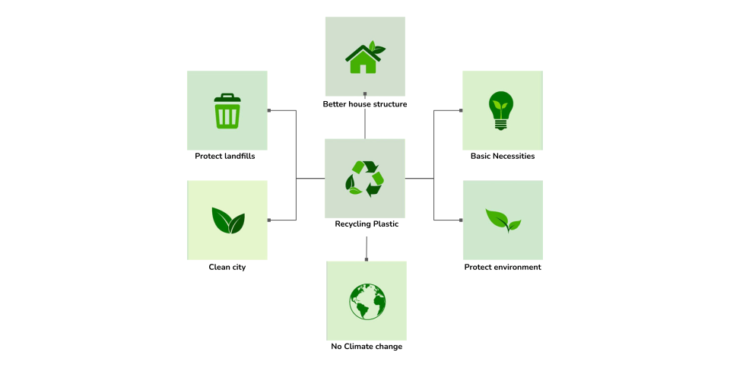
VISION
FEEDBACK LOOPS
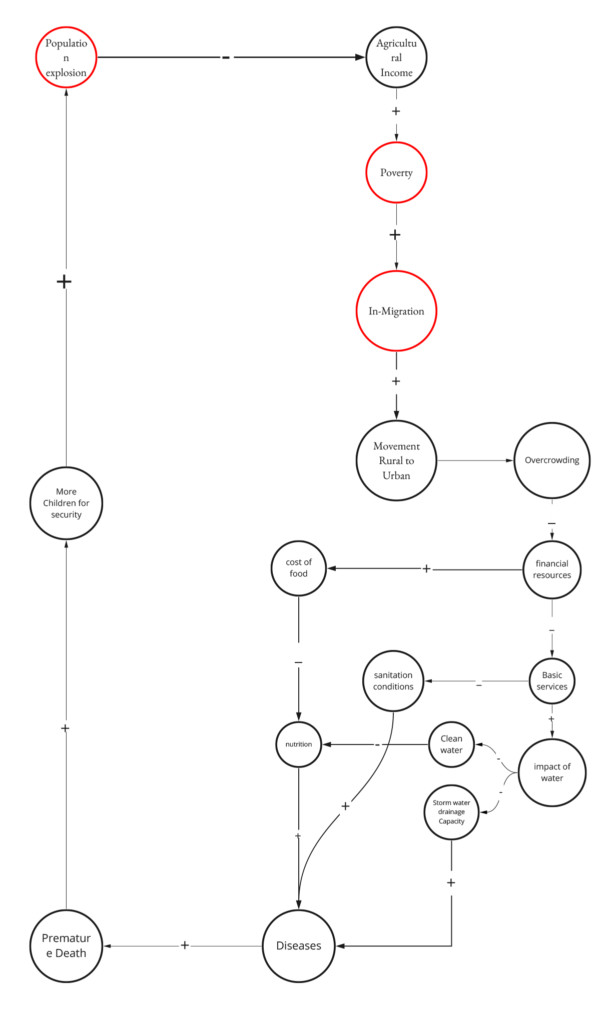
Feedback loop 1
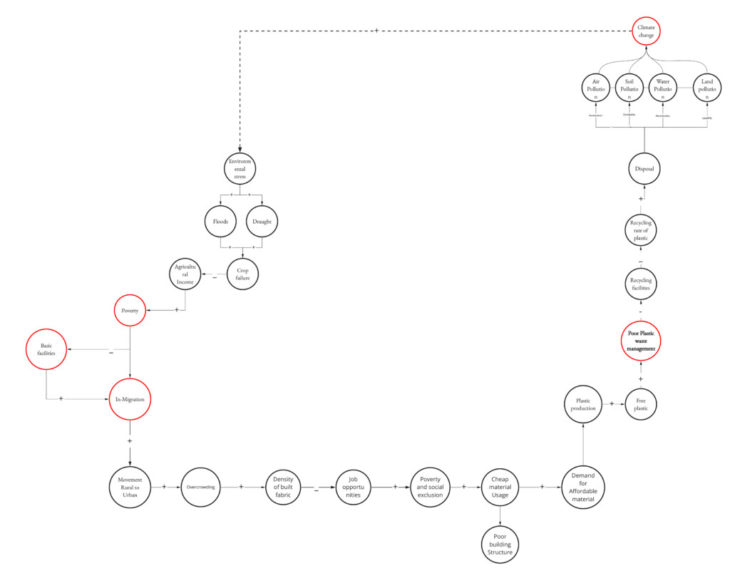
Feedback loop 2
STATE OF THE ART
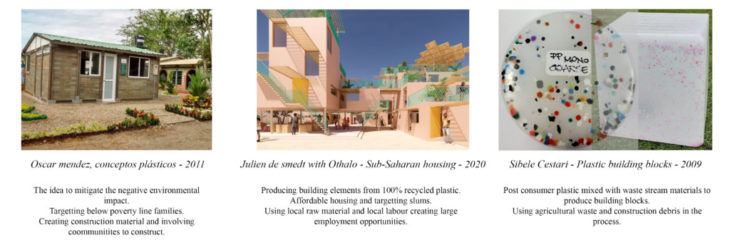

IMPLEMENTATION
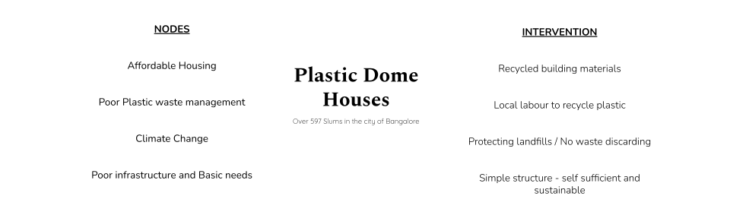
VISION FOR BANGALORE
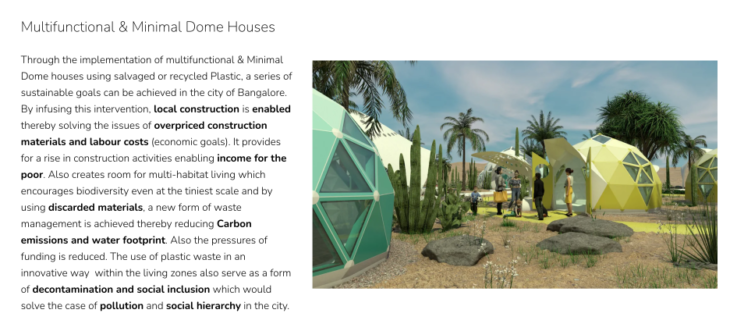
CIRCULARITY DIAGRAM
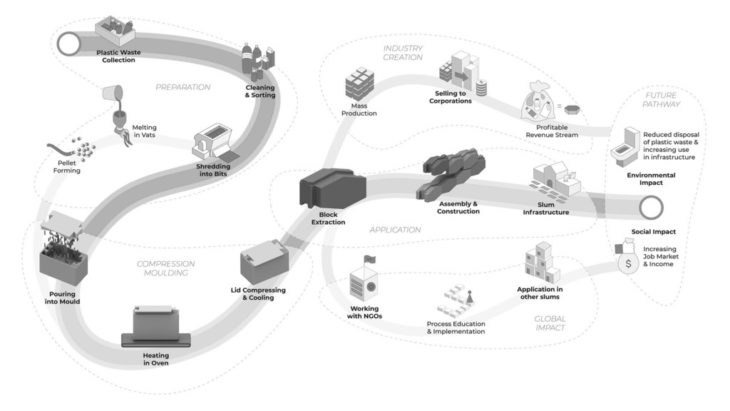
PROCESS DIAGRAM

INTERVENTION
Participatory Approach – Community Engagement
A Dome house system invites local slum residents to connect and actively participate in improving the living conditions. This intervention allows self-sufficiency in terms of access to basic facilities and living conditions. Also, including a circular waste management system will contribute to the adaptation of the city to the changing climate.
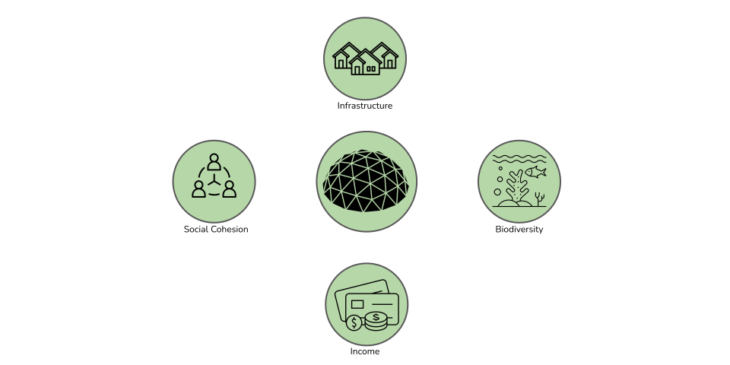
VALIDATION

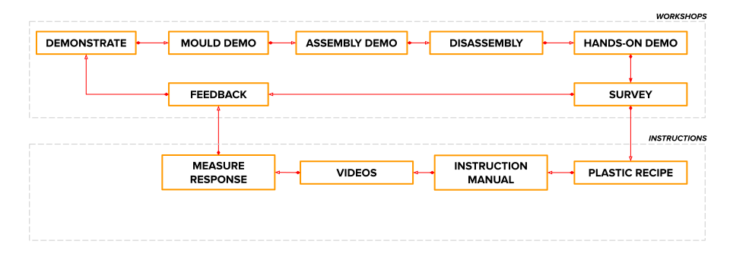
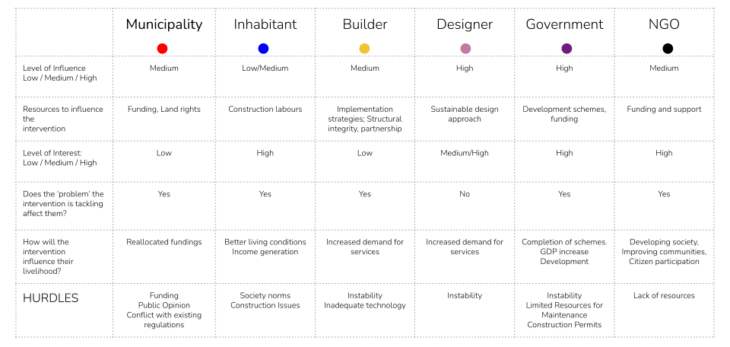
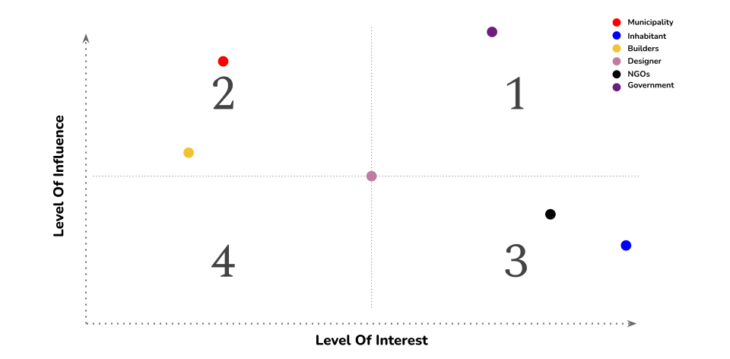
STAKEHOLDERS
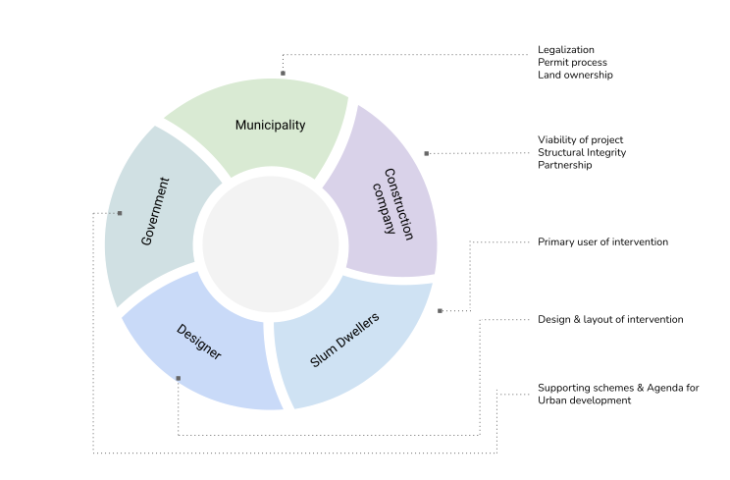
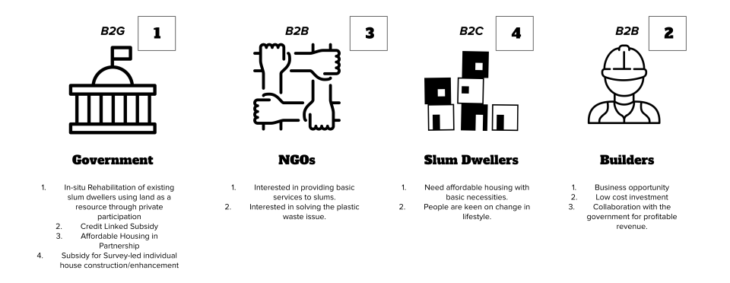
TARGET CUSTOMERS
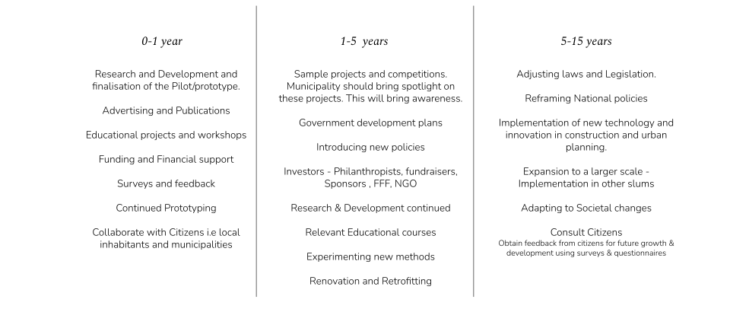
IMPLEMENTATION PLAN
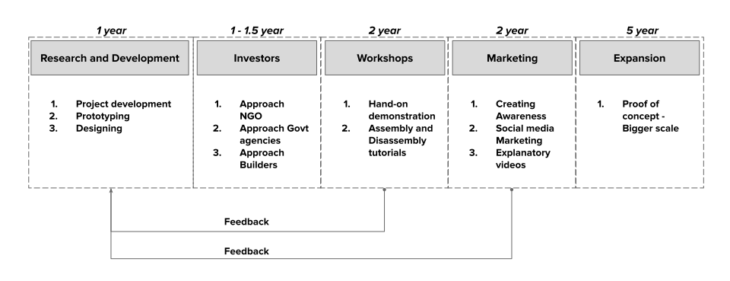
IMPLEMENTATION STRATEGY
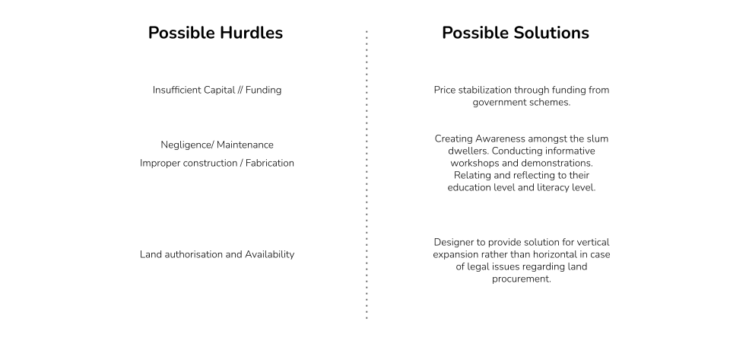
HURDLES & SOLUTIONS
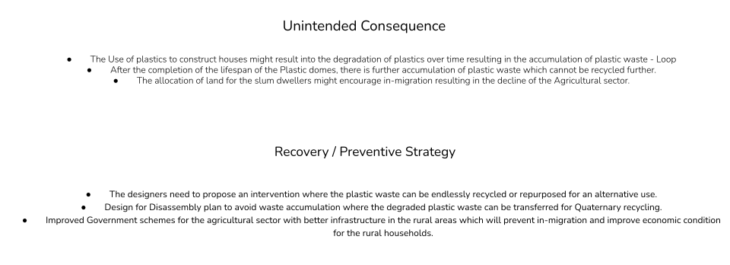
UNINTENDED CONSEQUENCES
ReSettle is a project of IAAC, Institute for Advanced Architecture of Catalonia developed in the second year of the Master in Advanced Architecture in the Circular Economy Seminar in 2021/22 by Student: Prarthana Sudhindra and Faculty: Nico Schouten